
How Deep Cleaning Can Save Your Teeth from Gum Infection
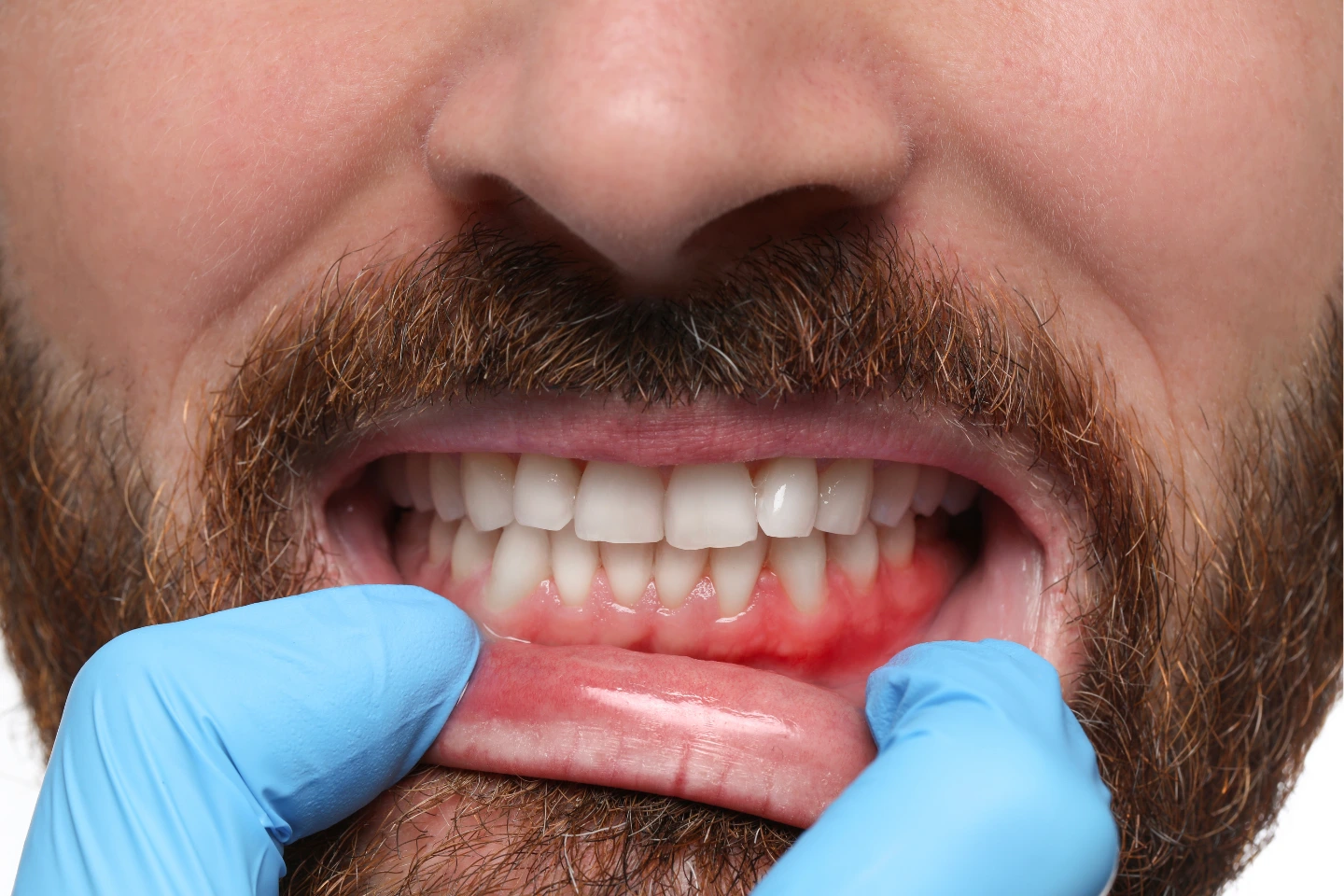
Gum infection does not usually start with pain. In fact, many people are surprised when their dentist tells them they have gum disease because everything feels “mostly fine.” This is exactly why deep cleaning plays such an important role in saving teeth. It treats the problem that brushing and regular cleanings simply cannot reach.
Deep cleaning is not about aggressive treatment or worst-case scenarios. It is about stopping gum infection early, protecting your teeth, and giving your gums a real chance to heal.
What Is a Gum Infection and How Does It Start?
A gum infection begins when plaque and bacteria settle below the gumline. Over time, this buildup causes inflammation, making the gums red, swollen, and prone to bleeding. This early stage is called gingivitis.
If left untreated, bacteria continue to move deeper, creating pockets between the gums and teeth. At this stage, the condition progresses to periodontitis, a more serious form of gum disease that can damage the bone supporting your teeth.
This is where deep cleaning becomes essential.
Why Regular Cleaning Is Sometimes Not Enough?
Routine dental cleanings focus on removing plaque and tartar from the surfaces of the teeth and slightly below the gumline. They are excellent for prevention, but once infection has travelled deeper, regular cleanings cannot fully remove bacteria hiding in gum pockets.
Deep cleaning goes further. It reaches areas where bacteria actively damage gums and bone, stopping infection at its source rather than just managing symptoms.
What Exactly Is a Deep Dental Cleaning?
Deep cleaning, also known as scaling and root planing, is a specialised treatment designed to treat gum infection.
It involves two key steps:
- Scaling removes plaque and tartar from below the gumline and inside infected gum pockets
- Root planing smooths the tooth roots, making it harder for bacteria to stick and easier for the gums to reattach
This process helps eliminate infection, reduce inflammation, and support long-term gum healing.
How Deep Cleaning Saves Your Teeth?
1. Stops Infection Before Tooth Loss Occurs
Gum infection is one of the leading causes of tooth loss in adults. As bacteria destroy the bone that holds teeth in place, teeth can become loose or shift.
Deep cleaning removes the infection before irreversible damage occurs, helping preserve both teeth and supporting bone.
2. Reduces Gum Pockets
Healthy gums fit snugly around teeth. Infected gums pull away, creating pockets that trap bacteria. Deep cleaning removes debris from these pockets and encourages gums to tighten back around the teeth.
Smaller pockets mean fewer places for bacteria to hide and a much lower risk of recurring infection.
3. Prevents Ongoing Inflammation
Chronic gum inflammation does not just affect your mouth. It places stress on your immune system and has been linked to heart disease, diabetes complications, and other systemic conditions.
By eliminating infection, deep cleaning reduces inflammation and supports overall health.
Is Deep Cleaning Painful?
This is one of the most common concerns, and the answer is reassuring. Deep cleaning is performed with local anaesthesia to keep you comfortable. Most patients describe the experience as pressure rather than pain.
After the procedure, some tenderness or sensitivity is normal for a few days, but this is a sign that the gums are healing. The discomfort is temporary, while the benefits are long-lasting.
Signs You May Need a Deep Cleaning
You may be a candidate for deep cleaning if you experience:
- Bleeding gums when brushing or flossing
- Persistent bad breath
- Swollen or tender gums
- Gum recession
- Loose teeth or changes in bite
- Deep gum pockets were found during an exam
These symptoms should never be ignored. Early intervention can prevent serious complications later.
What Happens After Deep Cleaning?
Healing begins almost immediately. Over the following weeks, gums gradually become firmer, less swollen, and less prone to bleeding. Many patients notice fresher breath and improved comfort while eating.
Follow-up visits are important. Your dentist will monitor healing and recommend a maintenance plan, which may include more frequent cleanings to keep infection from returning.
The Importance of Ongoing Maintenance
Deep cleaning is not a one-time fix if oral hygiene habits do not change. Consistent home care and professional maintenance are key to long-term success.
This typically includes:
- Brushing twice daily with proper technique
- Daily flossing or use of interdental cleaners
- Regular dental checkups and cleanings
- Periodontal maintenance visits are recommended
With proper care, many patients successfully stabilise gum disease and avoid future tooth loss.
Choosing the Right Dental Team for Deep Cleaning
Deep cleaning requires skill, precision, and a patient-centred approach. The right dental team will explain your condition clearly, answer your questions, and tailor treatment to your comfort level.
A trusted practice like Century Family Dental focuses on early intervention and preventive care, helping patients treat gum infection before it becomes a serious threat to their smile.
Why Acting Early Makes All the Difference
Gum infection does not improve on its own. The longer it goes untreated, the more damage it causes. Deep cleaning gives gums the chance to heal naturally without surgery when addressed early enough.
It is far easier, more comfortable, and more affordable to treat gum disease at this stage than to deal with advanced complications later.
Final Thoughts
Deep cleaning is one of the most effective ways to save teeth threatened by gum infection. It removes harmful bacteria, reduces inflammation, and protects the foundation that keeps your teeth strong and stable.
If you have been told you need a deep cleaning or notice signs of gum disease, taking action now can mean the difference between keeping your natural teeth and facing more complex treatment down the road. Healthy gums are not just about your smile. They are about protecting your long-term oral and overall health.


Hours
Monday – Saturday: 9 a.m. – 5 p.m.
Sunday: Closed


© 2026 Century Family Dental | All Rights Reserved | Privacy Policy | HIPAA Policy | Website Design by Remedo