
Can You Get Dental Implants If You Have Bone Loss?
Missing a tooth is never just about the gap in your smile. It is the sudden hesitation when someone pulls out a camera, or the way you start favoring one side of your mouth when eating your favorite meal. When you finally decide to look into a permanent fix like dental implants, hearing that you have bone loss can feel like a massive setback. Many patients visit Century Family Dental in Marlborough and Grafton, feeling like they have waited too long or that their jaw simply is not strong enough to support a new smile.
The good news is that bone loss is not a dead end. It is a hurdle, certainly, but one that modern dentistry is perfectly equipped to clear. Thanks to advancements in regenerative techniques, having a thin or recessed jawbone rarely means you are disqualified from getting implants. It just means we need to do a bit of groundwork first to make sure your new teeth have a rock-solid foundation.
Why Does Bone Loss Happen in the First Place?
To fix the problem, it helps to understand why the bone disappears. Your jawbone is actually quite dynamic. It stays dense and strong because the roots of your natural teeth constantly stimulate it every time you bite or chew. This mechanical pressure tells your body to keep sending nutrients to that area of the bone.
Once a tooth is gone, that stimulation stops. Your body, being incredibly efficient, decides that since the bone is no longer supporting a tooth, it does not need to maintain it. Over time, the bone begins to shrink or resorb. This process can happen surprisingly fast, often within the first year of losing a tooth. Other factors, like gum disease or long-term denture wear, can also wear down the ridge of the bone, leaving it too thin for a standard implant.
The Problem with Thin Bone and Implants
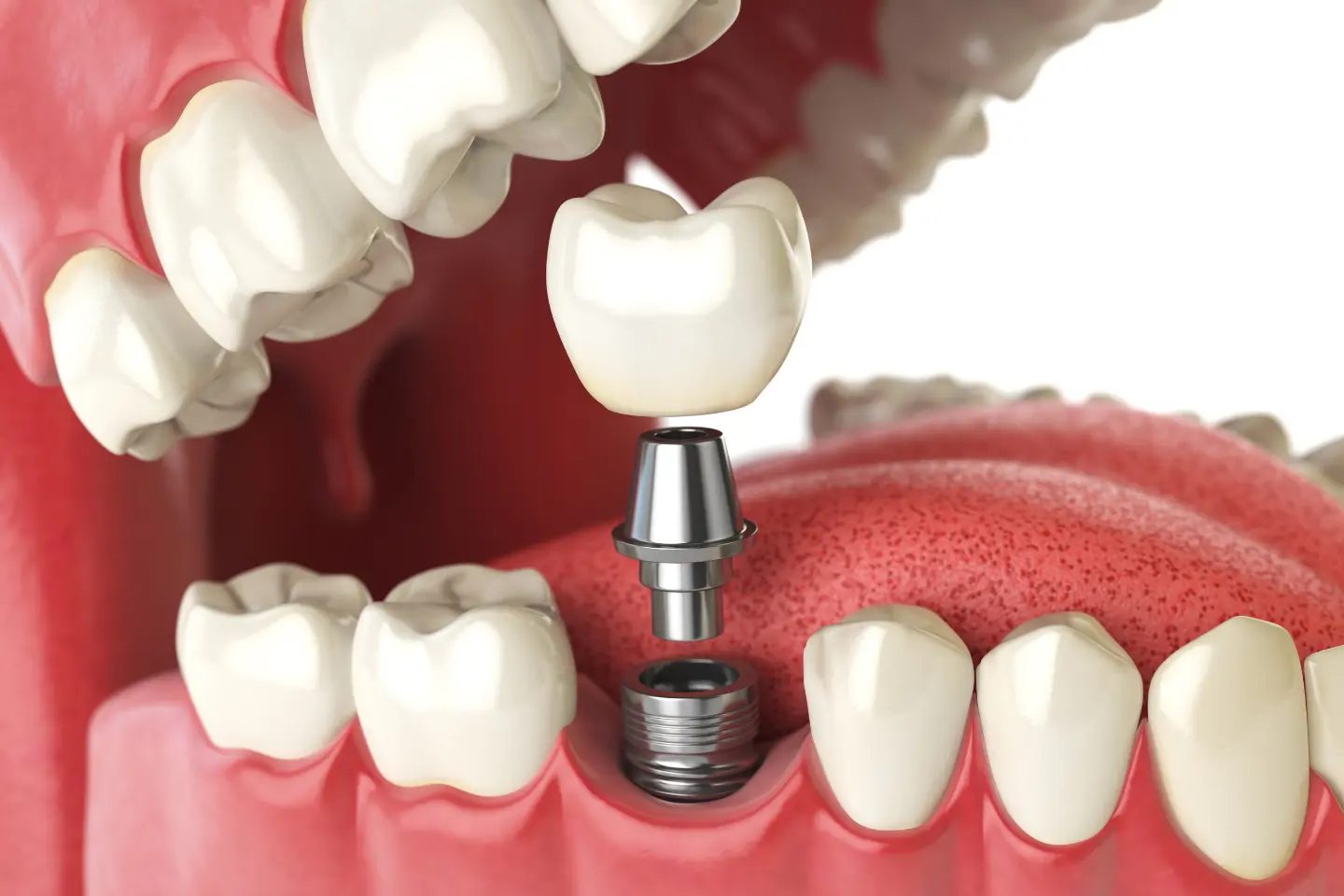
Think of a dental implant like a heavy-duty screw being placed into a wall. If the drywall is thin or crumbling, the screw will not hold the weight of a shelf. A dental implant works the same way. It needs a certain height and width of healthy bone to fuse with. This fusion process, known as osseointegration, is what makes implants feel like natural teeth. If there is not enough bone to grip the implant, the risk of it shifting or failing increases. This is why we take such care in assessing your bone density before we ever start the placement process.
Rebuilding the Foundation with Bone Grafting
The most common way we tackle this issue is through bone grafting. While the name might sound a bit intense, it is a very routine and predictable procedure. We essentially add a small amount of specialized bone material to the area where the bone has thinned out.
This material acts as a scaffold. Your body recognizes it and starts building its own new, healthy bone cells around it. Over a few months, the graft is replaced by your own natural bone, creating the depth and strength needed to anchor an implant. At Century Family Dental, we use the latest techniques to ensure this process is as comfortable as possible. By the time we are ready to place your implant, the site is just as strong as it would have been if you had never lost the tooth in the first place.
Solutions for the Upper Jaw and Sinuses
If you are missing back teeth in your upper jaw, there is another factor at play: your sinuses. Sometimes, the bone between the floor of your sinus and the roof of your mouth is naturally thin, or it has thinned out over time. In these cases, placing an implant could potentially interfere with the sinus cavity.
To solve this, we perform a sinus lift. We gently move the sinus membrane upward and tuck bone grafting material underneath it. This lifts the floor of the sinus, creating more room for a sturdy implant. It is a brilliant way to make implants a reality for people who were told years ago that they were not candidates.
A Personal Approach to Your Care
At Century Family Dental, we know that no two mouths are the same. We do not believe in one-size-fits-all treatments. When you sit down with Dr. Ruchieka Vij or Dr. Hitesh Vij, we use detailed imaging to see exactly what is happening beneath the surface. This allows us to map out a plan that fits your specific biology and your goals for your smile.
We also believe in keeping things conversational. You will not find us hiding behind medical jargon. We want you to understand every step of the journey, from the initial graft to the moment you see your final restoration in the mirror. Our focus is on making sure you feel relaxed and confident in the care you are receiving at our Grafton or Marlborough locations.
The Long-Term Benefits of Taking Action
Choosing to rebuild your bone and get implants is a major win for your long term health. Unlike other options that just sit on top of the gums, implants actually stop the cycle of bone loss. By acting as a new tooth root, the implant brings back that vital stimulation the jawbone needs to stay healthy.
Beyond the health perks, there is the simple joy of having a functional mouth again. You can go out to dinner without worrying about what is on the menu. You can speak clearly without worrying about a bridge or denture slipping. Investing in your bone health now pays off in decades of comfort and confidence.
Frequently Asked Questions
Q: Does a bone graft make the dental implant process much longer?
A: It does add some time to the overall timeline, usually a few months for the bone to fully mature. However, it is a vital step that ensures your implant lasts a lifetime rather than failing early.
Q: Will I be awake during the bone grafting procedure?
A: Yes, most patients do perfectly fine with local numbing, much like getting a filling. We ensure the area is completely frozen so you do not feel a thing.
Q: Can bone loss be prevented if I act quickly?
A: Absolutely. The sooner you replace a missing tooth with an implant, the less bone you will lose. If we perform a graft at the same time we remove a tooth, we can often preserve the bone height perfectly.
Q: Is there an age limit for getting bone grafts or implants?
A: Not at all. As long as you are in good general health, age is rarely a factor. We have helped many seniors rebuild their smiles and improve their quality of life with these techniques.
Q: What is the success rate of implants after a bone graft?
A: Very high. When a graft is allowed to heal properly, the success rate for dental implants is generally over 95 percent. It is one of the most reliable procedures in all of dentistry.
Ready to Explore Your Options?
If you have been holding back because you are worried about bone loss, let us help you find a path forward. At Century Family Dental, we specialize in turning complex cases into success stories. Whether you need a simple implant or a full reconstruction involving grafting, our team is dedicated to giving you a result you can be proud of.
Take the first step toward a healthier, more confident version of yourself. We would love to meet you and talk through your options in a relaxed, pressure-free environment. Visit our Dental Implants page to see how we can help, or give us a call today to book your consultation. Your new smile starts with a strong foundation, and we are here to help you build it.


Hours
Monday – Saturday: 9 a.m. – 5 p.m.
Sunday: Closed


© 2026 Century Family Dental | All Rights Reserved | Privacy Policy | HIPAA Policy | Website Design by Remedo