
What to Expect at Your First Visit to a New Dentist
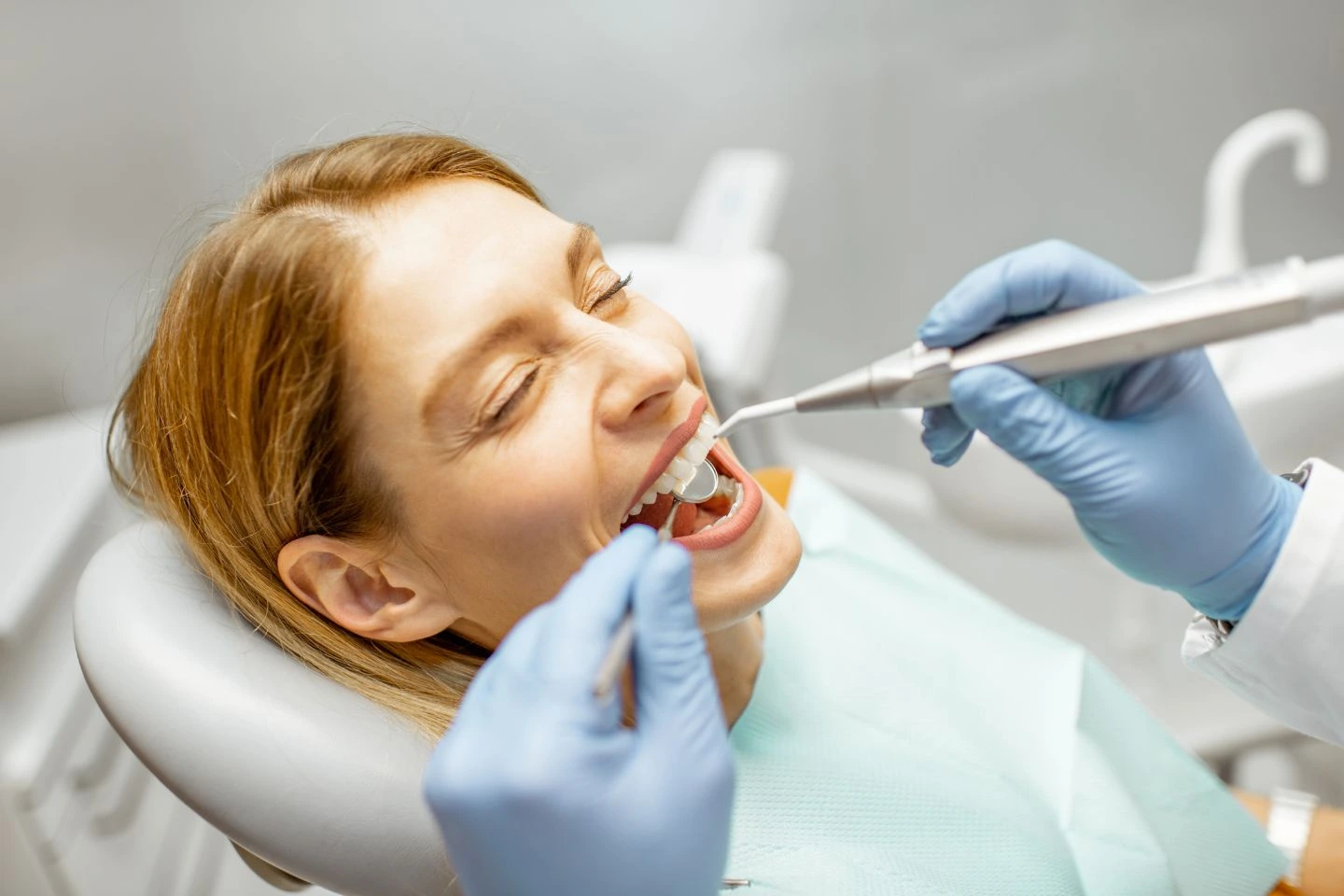
Switching to a new dental office or stepping into a clinic after taking a long break can feel genuinely intimidating. A lot of people put off booking an appointment for months or even years simply because they do not know what to expect. You might worry about finding the right building, filling out long stacks of intake forms in a crowded waiting room, or sitting in a chair facing unexpected lectures about your daily brushing habits.
Knowing what actually happens behind those doors takes away almost all of that anxiety. A initial visit to a fresh practice is mostly an introductory checkin. It is designed to give the dental team a clear baseline of your overall oral health, gather updated diagnostic records, and let you get comfortable with the staff. You are not jumping straight into major procedures or surprise bills.
If you are hunting for a reliable general dentist near me, knowing how a basic intake works makes the whole transition smooth, predictable, and stress-free.
Getting Ready Before You Walk Through the Door
A little bit of simple preparation before your appointment goes a long way toward keeping everything running on time. Taking care of a few small details at home saves you from rushing around in the waiting room right before your visit:
Gathering Your Health History
Your mouth is a direct mirror of what is happening in the rest of your body. Be prepared to share your current medical background, including any major health conditions, recent hospital visits, or daily prescription medications you take. Certain conditions like high blood pressure, diabetes, or joint replacements directly influence how dental procedures and numbing agents are handled.
Requesting Previous Dental Records
If you had digital X-rays or detailed dental scans taken at another clinic within the last twelve months, call your old office ahead of time. Asking them to email those files over to your new practice prevents duplicate imaging and keeps your historic records connected.
Preparing Identification and Coverage Details
Keeping your driver's license, photo ID, and dental insurance card handy allows the front desk team to process your file fast. If you are paying out of pocket, asking about self-pay pricing or payment options before sitting in the chair prevents any financial surprises.
Step-by-Step Walkthrough of Your First Appointment
A thorough initial intake visit takes roughly sixty minutes from start to finish. Having an hour set aside gives your clinical team enough time to evaluate your teeth without rushing. Here is how the process plays out step by step once you step inside:
Checkin and Paperwork Processing
The front desk team greets you, verifies your photo ID, and helps you finish any missing intake forms. Many modern offices now email these documents beforehand so you can complete them on your phone or computer from the comfort of your couch.
Diagnostic Digital X-Rays
A dental assistant leads you back to a private treatment room. Before anyone inspects your mouth manually, they take a few quick digital X-rays. These low-radiation scans reveal hidden tooth decay between tight contacts, check the bone height supporting your tooth roots, and look for deep structural issues beneath your gumline that cannot be seen with the naked eye.
The Comprehensive Clinical Exam
Next, the dentist performs a detailed visual evaluation of your entire oral cavity. They look at every individual tooth for signs of active decay, inspect existing fillings or porcelain crowns for wear, and check your gum tissue for early signs of inflammation or recession. They also perform a quick, non-invasive oral cancer screening by checking your jawline, tongue, cheeks, and throat tissue.
Professional Preventive Cleaning
Assuming your initial exam shows healthy gums without advanced periodontal disease, a hygienist cleans your teeth during the same appointment. Using gentle hand instruments and sonic tools, they scale away hardened plaque and tartar build-up from hard-to-reach spots. After scaling, they polish your tooth enamel to remove surface stains and floss thoroughly between every tooth.
Discussion and Treatment Planning
Before you head home, your dentist reviews your X-rays on a screen right in front of you. They explain their findings in plain English without using confusing clinical jargon. If your mouth is completely healthy, you simply lock in your next routine checkup six months down the road. If issues like a minor cavity, cracked filling, or bleeding gums turn up, you walk through a step-by-step treatment plan together without any high-pressure sales tactics.
Why Routine Preventative Care Matters Long Term
Dental care should never be limited to booking emergency visits only when a tooth starts throbbing in the middle of the night. Waiting for severe pain usually means an infection has reached the nerve of the tooth, requiring far more extensive work like root canals or extractions.
Having a go-to practice means you catch minor issues while they are still small, cheap, and easy to fix. Regular cleanings every six months remove hardened deposits that standard toothbrushing cannot budge, keeping your gums tight and your smile fresh.
Patient-Centered Care in Your Local Community
Finding an dental team you trust makes taking care of your health effortless for years to come. You deserve an office environment that respects your time, listens to your concerns, and prioritizes your long-term comfort.
Providing quality general dentistry in Westborough MA requires a local practice that values gentle care, patient education, and transparent communication. Century Family Dental focuses on creating a welcoming, relaxed environment for adults, teens, and young children alike.
Contact Century Family Dental today to book your first visit and take the first step toward a healthier, more confident smile.
Frequently Asked Questions
Q: How many minutes does a first dental visit usually take?
A: Plan on spending roughly sixty minutes at the office. That covers checkin forms, digital X-rays, the physical exam, and a standard cleaning.
Q: Will my teeth definitely get cleaned on the first visit?
A: Almost always, yes. As long as your gums are healthy and you do not need a specialized deep cleaning for advanced gum disease, a regular cleaning happens during the same appointment.
Q: What if I have extreme fear or anxiety about dental work?
A: Just tell the staff right when you check in. Modern offices use gentle techniques, take frequent breaks, and make sure you feel in control the entire time.
Q: Do I need to request old X-rays from my previous clinic?
A: If your previous X-rays are less than a year old, having them sent over saves time. If not, the staff takes fresh digital scans during your intake anyway.
Q: How often do I need to come back after my initial visit?
A: Coming in twice a year, roughly every six months, keeps your teeth clean and allows your dentist to spot potential issues early.


Hours
Monday – Saturday: 9 a.m. – 5 p.m.
Sunday: Closed


© 2026 Century Family Dental | All Rights Reserved | Privacy Policy | HIPAA Policy | Website Design by Remedo