
Is It Normal for Kids to Grind Their Teeth at Night?
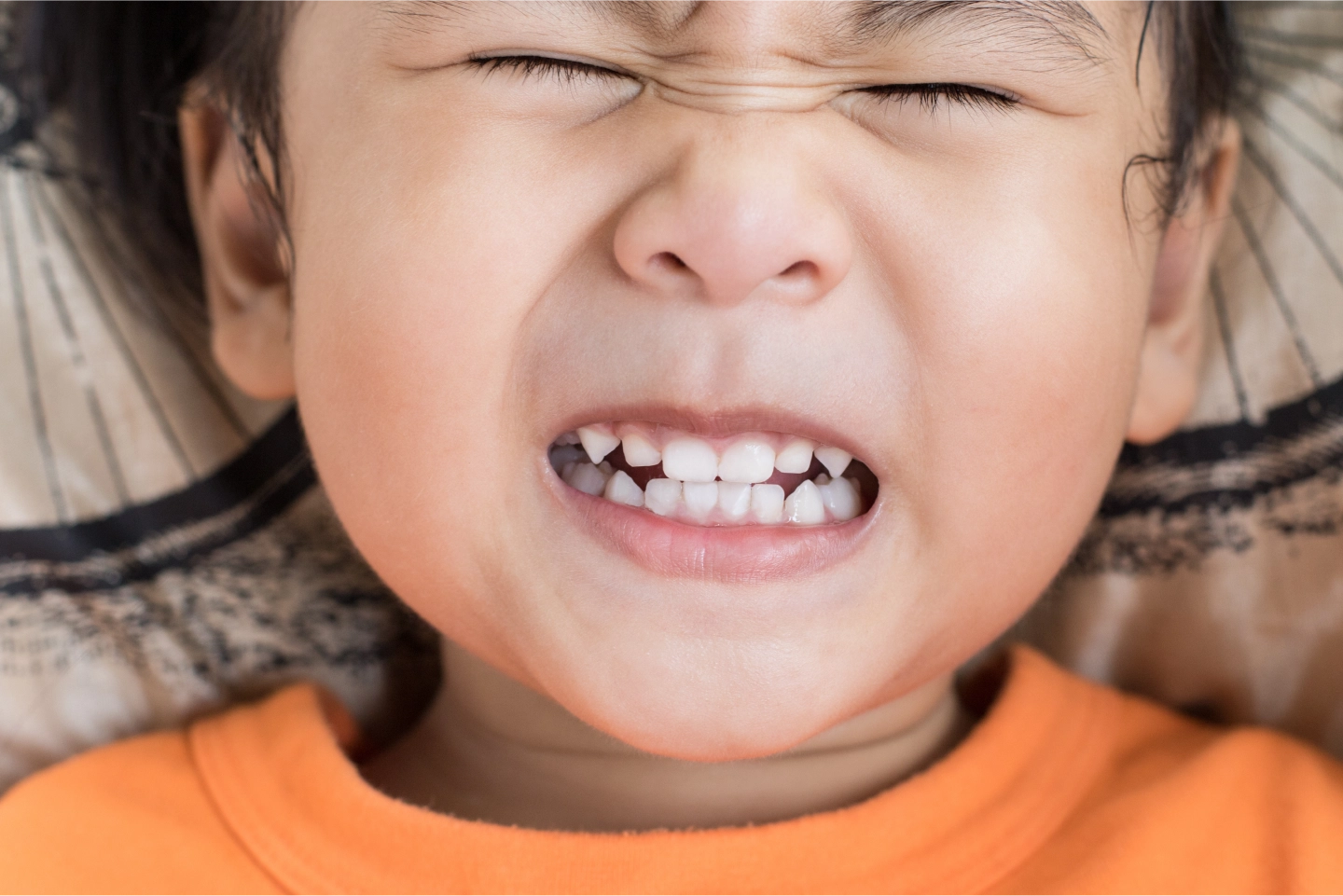
When you are a parent, every new sound or habit your child develops can feel like a cause for concern. If you have ever walked past your little one's bedroom and heard a grating noise like pebbles rubbing together, you know exactly how unsettling it can feel. That sound is teeth grinding, and it often leaves parents wondering if their child is stressed or if they are going to wake up with permanent damage to their brand-new teeth.
At Century Family Dental, we hear this concern from parents all the time. It is actually one of the most common questions we get during pediatric checkups. The good news is that pediatric bruxism, the official term for kids grinding their teeth, is incredibly common. In fact, research suggests that up to 30 percent of children will grind or clench their teeth at some point before they reach adulthood.
While it is statistically normal, it is still helpful to understand why it happens, when you can expect it to stop, and what you can do to help your child get a more restful night of sleep.
Why Do Kids Grind Their Teeth?
If an adult is grinding their teeth, it is usually because of a stressful job or too much caffeine. For children, however, the reasons are almost always physical. Their bodies are growing and changing so fast that their jaws and teeth are often just trying to keep up.
1. The Growing Pains of a New Bite
The most common reason for grinding in young children is simply that their top and bottom teeth do not fit together perfectly yet. As baby teeth fall out and permanent teeth begin to erupt, the bite is in a constant state of flux. Children might instinctively slide their teeth back and forth to find a comfortable resting position or to naturally file down a tooth that feels like it is sticking out.
2. Seeking Relief from Discomfort
Just as you might rub a sore muscle, children often use grinding as a way to soothe minor aches.
- Teething: When new teeth are pushing through the gums, the pressure of clenching can actually provide a temporary numbing sensation that feels good to a child.
- Earaches: Because the jaw joint is located so close to the ear canal, a child with an ear infection or stuffy sinuses might grind their teeth to help equalize pressure or distract themselves from the dull ache.
3. Airway and Breathing Factors
There is often a link between pediatric bruxism and how a child breathes. If a child has enlarged tonsils or adenoids, their airway can become slightly narrowed during sleep. Grinding is the body's clever way of sliding the jaw forward to keep that airway open. If your child also snores or breathes through their mouth, the grinding might be a sign that they are working a little too hard to breathe while they sleep.
4. Processing the Day
While it is less common than physical causes, children do experience stress. Big life changes like starting a new grade, the arrival of a new sibling, or even a stressful day at the playground can manifest as physical tension at night.
Is It Damaging Their Teeth?
It is natural to worry that your child is wearing their teeth down to the nubs, but most children outgrow this habit without any long-term damage. Since their jaws are growing so quickly, most of the wear happens on baby teeth, which are eventually going to be replaced anyway.
However, we do keep a close eye on things if the grinding is aggressive.
At Century Family Dental, we look for:
- Enamel Wear: Signs that the protective outer layer is thinning.
- Jaw Sensitivity: If your child says their face feels tired or they have a headache in the morning.
- Chipped Teeth: While rare, intense grinding can occasionally chip a primary tooth.
We monitor these signs during every six-month checkup to ensure that the permanent teeth are coming in healthy and staying protected.
Tips for a Calmer Night
If you want to help your child settle in for a quieter night, there are a few gentle things you can try at home.
Create a Relaxing Bedtime Ritual
Since physical tension leads to jaw tension, a calm bedtime routine is your best friend. Try to avoid high-energy games or tablets for about an hour before bed. A warm bath, a favorite book, or just some quiet talking time can help their nervous system switch from go mode to sleep mode.
Gentle Jaw Massage
While you are tucking them in, you can gently massage your child’s jaw and neck muscles. This helps the muscles relax and signals to the body that it is time to let go of the day's tension. You can even teach them to do it themselves as a way to self-soothe.
Focus on Hydration
Believe it or not, being dehydrated can make muscles more prone to cramping and spasms. Ensuring your child drinks enough water throughout the day can keep their jaw muscles supple and less likely to clench up during the night.
Frequently Asked Questions
Q: At what age do most kids stop grinding?
A: Most children stop grinding between the ages of 6 and 9. This is the stage when their first set of permanent molars and front teeth arrive. By the time they have most of their adult teeth, usually around age 12, the habit almost always disappears on its own.
Q: Should my child wear a mouthguard?
A: We usually do not recommend mouthguards for very young children because their jaws are still growing. A rigid guard can sometimes get in the way of the natural expansion of the jaw. If the grinding is severe in an older child, we can talk about custom options at Century Family Dental.
Q: Could it be related to a vitamin deficiency?
A: Sometimes, a lack of magnesium or certain B vitamins can contribute to muscle tension. If the grinding is very intense, it is worth a quick chat with your pediatrician to make sure their nutrition is balanced.
Q: When should I book an appointment with Century Family Dental?
A: If your child complains of a sore jaw when they wake up, has trouble chewing their breakfast, or if you see that their teeth look noticeably flat or short, give us a call. We are happy to take a look.
Conclusion
In the vast majority of cases, childhood teeth grinding is just a temporary phase. It is often just a sign that your child is growing and their mouth is finding its permanent shape. While the sound can be a bit scary to hear through the baby monitor, your child is likely sleeping right through it and waking up feeling just fine.
At Century Family Dental, we believe in a proactive but gentle approach to your child's dental health. We will continue to monitor their growth at every visit to make sure everything is progressing exactly as it should. If you have any concerns about your child's smile, we are always here to listen and help.


Hours
Monday – Saturday: 9 a.m. – 5 p.m.
Sunday: Closed


© 2026 Century Family Dental | All Rights Reserved | Privacy Policy | HIPAA Policy | Website Design by Remedo