
How Plaque and Tartar Removal Protect Your Smile
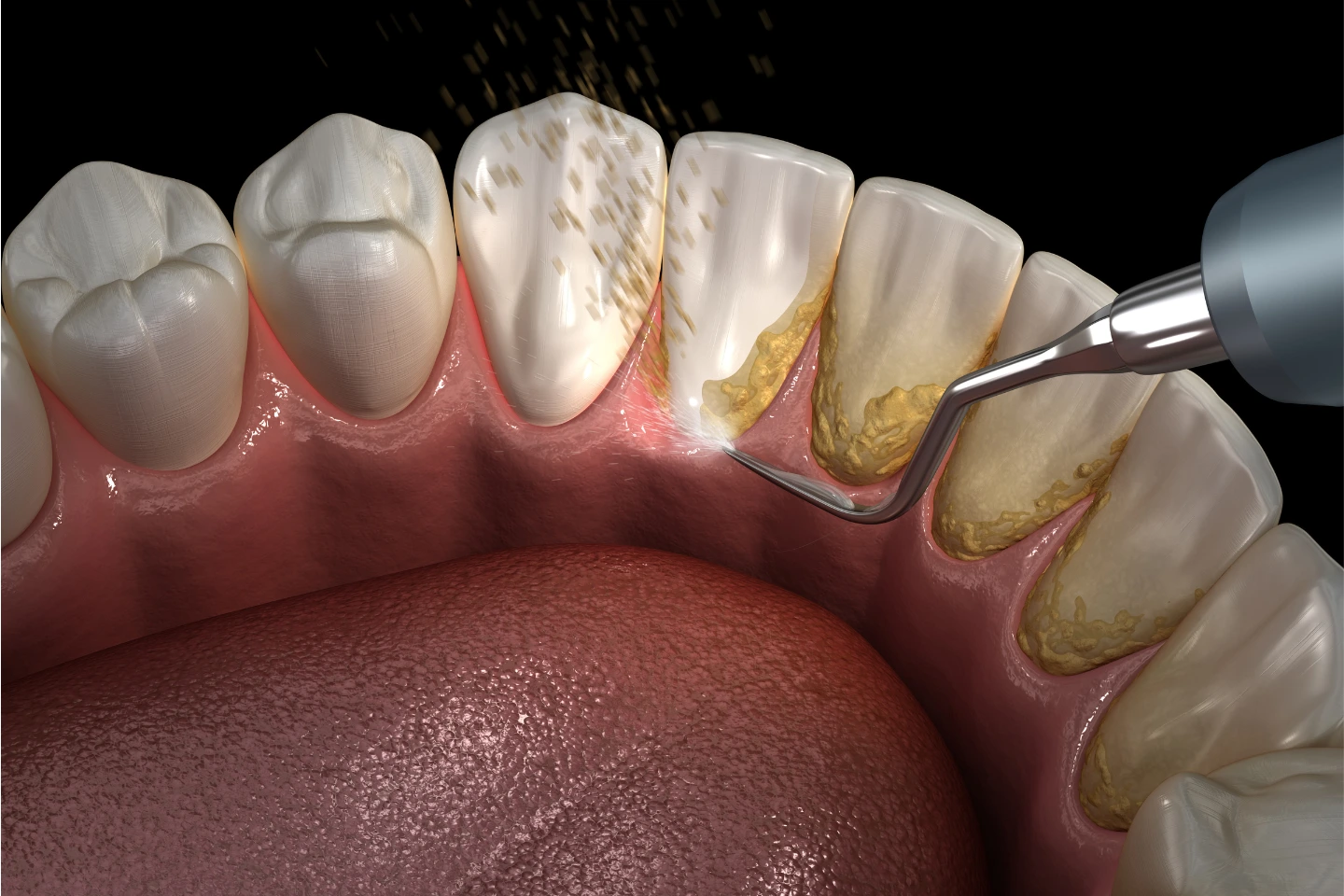
You brush, you floss, you rinse, and still, your dentist talks about plaque and tartar at every visit. If you have ever wondered why removing them matters so much, you are not alone. Plaque and tartar might sound harmless, but left unchecked, they can quietly damage your teeth, gums, and even your overall health.
Understanding how plaque and tartar form and why professional removal is essential can completely change the way you look at routine dental cleanings. It is not just about a polished smile. It is about long-term protection.
What Exactly Are Plaque and Tartar?
Plaque is a sticky, colourless film made up of bacteria that constantly forms on your teeth. Every time you eat or drink, especially sugary or starchy foods, plaque bacteria produce acids that attack tooth enamel. If plaque is not removed through proper brushing and flossing, it hardens over time and turns into tartar.
Tartar, also known as calculus, is much tougher. Once it forms, it cannot be removed at home, no matter how good your toothbrush is. This is where professional dental cleaning becomes essential.
Why Plaque Is More Harmful Than It Looks
Plaque is not just “dirt” on your teeth. It is an active bacterium. When plaque stays on teeth for too long, it starts to weaken enamel, leading to cavities. It also irritates the gums, causing redness, swelling, and bleeding.
In the early stages, these changes may seem minor or painless. But plaque-related problems rarely stay small. Over time, untreated plaque can lead to gum disease, bad breath, and tooth sensitivity.
How Tartar Raises the Risk Even Higher
Once plaque hardens into tartar, it creates a rough surface that attracts even more bacteria. Tartar often forms along the gumline and between teeth, making it harder to clean with regular brushing.
This buildup pushes gums away from the teeth, creating pockets where bacteria thrive. These pockets are one of the main causes of gum disease and eventual tooth loss if left untreated.
Professional plaque and tartar removal stops this cycle before serious damage occurs.
How Professional Removal Protects Your Teeth
A professional dental cleaning goes far beyond what you can do at home. Using specialised instruments, a dental hygienist removes plaque and tartar from areas your toothbrush simply cannot reach.
Here is how this protects your smile:
- Reduces the risk of cavities by removing bacteria before they damage enamel
- Prevents gum inflammation and infection
- Helps maintain strong tooth structure
- Keeps restorations like crowns and fillings healthier for longer
This process is gentle, controlled, and designed to protect both teeth and gums.
Plaque, Tartar, and Gum Disease
Gum disease often starts quietly. Early-stage gingivitis may only show as mild bleeding when brushing or flossing. Many people ignore this, assuming it is normal.
It is not.
Plaque and tartar are the main causes of gum disease. Removing them regularly allows gums to heal and reattach properly to the teeth. When cleanings are skipped, gingivitis can progress to periodontitis, a more advanced condition that can lead to bone loss and loose teeth.
Routine plaque and tartar removal is one of the most effective ways to prevent gum disease from developing or worsening.
The Connection Between Oral Health and Overall Health
The bacteria found in plaque do not stay confined to your mouth. When gums are inflamed or infected, bacteria can enter the bloodstream. Studies have linked poor oral health to conditions such as heart disease, diabetes complications, and respiratory infections.
By keeping plaque and tartar under control, you are not just protecting your teeth. You are also supporting your overall health, especially if you have existing medical conditions.
Why Home Care Alone Is Not Enough
Even with excellent brushing and flossing habits, some plaque will remain. Areas behind the teeth, below the gumline, and between tight spaces are difficult to clean thoroughly.
Dental cleanings act as a reset for your mouth. They remove buildup that has slowly accumulated over months, giving your daily oral care a clean foundation to work from again.
Think of it as maintaining your teeth rather than repairing damage later.
How Often Should Plaque and Tartar Be Removed?
For most people, professional dental cleaning every six months is ideal. However, some patients may need more frequent visits, especially if they:
- They are prone to heavy plaque buildup
- Have gum disease or a history of it
- Have diabetes or dry mouth
- Wear braces, crowns, or dental implants
Your dentist will recommend a schedule that fits your oral health needs.
Choosing the Right Dental Team Matters
Plaque and tartar removal should be thorough but comfortable. A skilled dental team takes the time to clean gently, explain what they see, and guide you on improving home care.
A trusted practice like Century Family Dental focuses on preventive care, ensuring plaque and tartar are managed before they cause long-term problems. This approach helps patients stay ahead of dental issues instead of reacting to pain later.
Signs You May Need a Cleaning Sooner
You should consider scheduling a dental cleaning if you notice:
- Bleeding gums
- Persistent bad breath
- Rough or gritty feeling on the teeth
- Yellow or brown buildup near the gums
- Increased tooth sensitivity
These are often signs that plaque and tartar have already started causing trouble.
Final Thoughts
Plaque and tartar removal is one of the simplest yet most powerful ways to protect your smile. It prevents cavities, keeps gums healthy, supports overall well-being, and helps your teeth last a lifetime.
Regular dental cleanings are not about cosmetic polishing alone. They are a proactive step toward healthier teeth, stronger gums, and fewer dental problems down the road. A clean mouth today can save you from discomfort, stress, and costly treatments tomorrow.


Hours
Monday – Saturday: 9 a.m. – 5 p.m.
Sunday: Closed


© 2026 Century Family Dental | All Rights Reserved | Privacy Policy | HIPAA Policy | Website Design by Remedo