
How Much Does a Root Canal Cost in 2026?
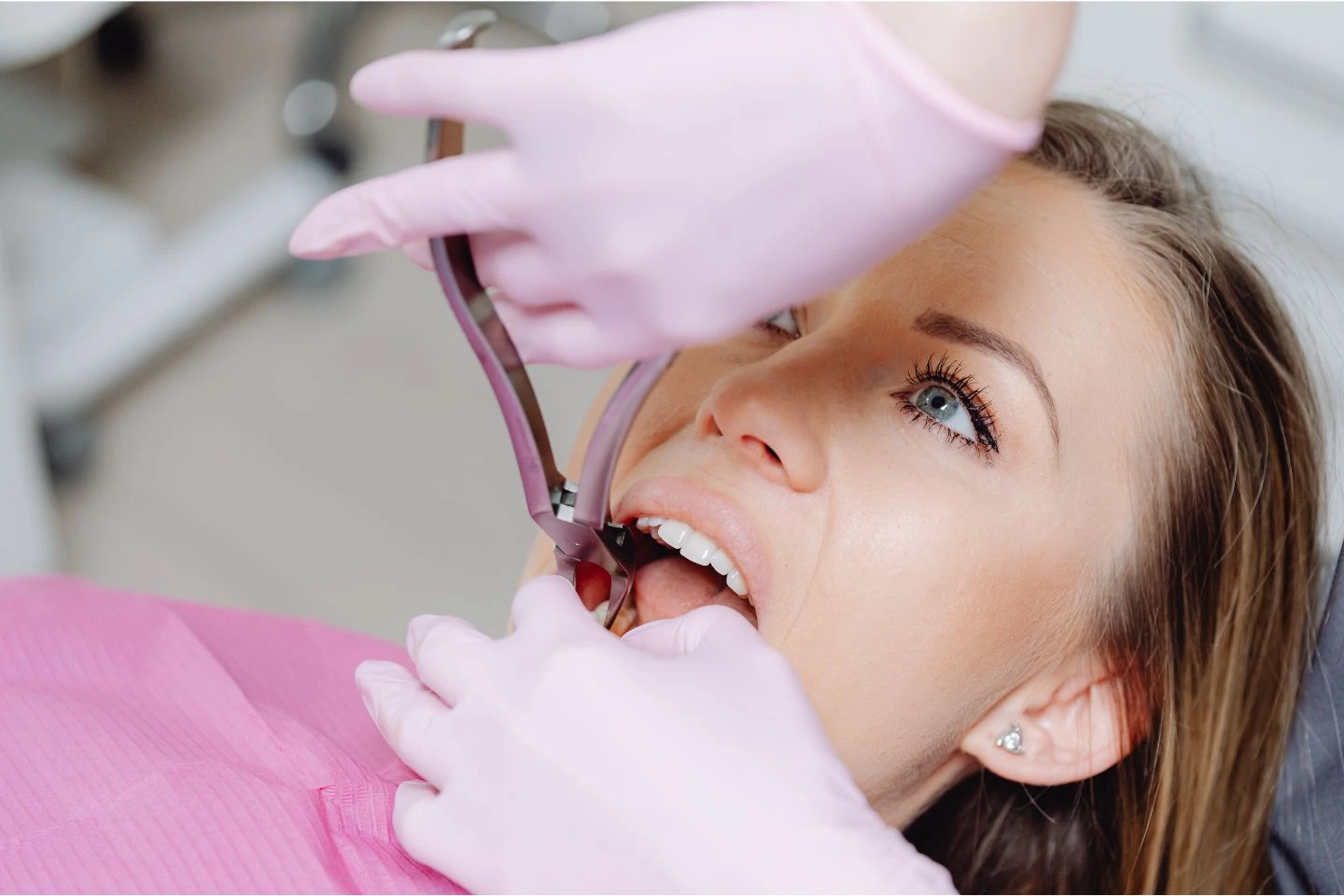
Hearing that you need a root canal often triggers two immediate thoughts: "Will it hurt?" and "How much is this going to cost me?"
Thanks to modern dentistry, the procedure itself can be performed with local anesthesia, similar to a routine filling. However, the financial side can still leave people feeling uncertain. Dental pricing isn't always straightforward, and if you are managing a thumping toothache, trying to decipher itemized fees is the last thing you want to do.
Understanding the typical national costs, the factors that shape your bill, and your payment options can take the stress out of planning your treatment.
The Average Cost of a Root Canal in 2026
On average across the United States, a root canal procedure without insurance generally lands between $679 and $1800 per tooth.
Why is that range so wide? Because no two teeth are built the same. Treating an incisor right at the front of your mouth requires a completely different level of time and complexity than treating a molar tucked way in the back.
Here is a general breakdown of what you might expect for the root canal procedure alone, based on tooth type:
- Front Teeth (Anterior): $590 to $1,527. Front teeth typically have a single root canal, making access straightforward and keeping treatment times shorter.
- Premolars (Bicuspids): $691 to $1,827. These mid-mouth teeth usually have one or two root canals, requiring a bit more detail work.
- Molars: $833 to $2,171: Your back chewing teeth are larger and can have three, four, or occasionally more tiny, curved canals that take longer to locate, clean, and seal.
It is important to remember that these figures reflect the root canal therapy itself. In most cases, completing your treatment requires a permanent restoration afterward, usually a custom dental crown, to protect the remaining tooth structure.
What Factors Drive the Total Price?
When you receive a treatment plan from your dental team, several individual line items contribute to your final out-of-pocket total.
Tooth Location and Root Anatomy
As mentioned, molars are more complex. A tooth with intricate, narrow, or calcified canals requires specialized instruments and additional clinical time, which increases the fee.
The Final Restoration (Filling vs. Crown)
Once the internal infection is cleaned out, the inside of the tooth is sealed. However, a tooth that has undergone a root canal may be more susceptible to fracture because of the loss of tooth structure.
Front teeth may sometimes be safely restored with a composite tooth-colored filling if enough natural enamel remains intact.
Back teeth (premolars and molars) absorb immense pressure during daily chewing. They often require a permanent dental crown, depending on the amount of remaining tooth structure and other clinical factors.
Diagnostic Fees and Imaging
Before starting therapy, your dentist may need digital X-rays or other imaging when clinically indicated to assess your root structure. Digital X-rays, diagnostic exams, and follow-up checks are standard parts of thorough care.
Emergency Visit vs. Scheduled Care
If you walk in with severe swelling or an acute toothache requiring immediate, same-day intervention, emergency exam or palliative care fees might be added to your initial visit bill.
Does Dental Insurance Cover Root Canals?
In many cases, yes. Some dental insurance policies classify root canal therapy as a "basic" or "major" restorative procedure.
- Typical Coverage: Dental plans may cover a portion of the root canal procedure after your annual deductible has been met, depending on the specific plan.
- Annual Maximums: Dental insurance plans may carry a yearly maximum benefit. Because a root canal and a crown combined can approach or exceed that cap, it is helpful to ask your dental office for a pre-treatment estimate. They can submit the codes to your insurer ahead of time so you know your estimated out-of-pocket responsibility.
If you don't have dental insurance, don't lose heart. Many practices offer flexible monthly payment plans, accept healthcare credit options like CareCredit, or provide in-house membership plans that discount restorative care.
Root Canal vs. Tooth Extraction: Which Is More Cost-Effective?
When faced with the expense of a root canal, some patients ask, "Wouldn't it just be cheaper and easier to pull the tooth?"
While pulling a tooth (an extraction) carries a lower upfront cost, a simple tooth extraction has a current national cost range of about $137 to $335. Leaving an open gap in your mouth creates new long-term costs.
When a tooth is removed and not replaced, neighboring teeth slowly shift into the empty space. Leaving an empty space in your mouth can cause neighboring teeth to drift out of place, creating bite misalignment, jaw joint tension, and tight spots that are tough to floss. To keep these problems at bay, your dentist will likely suggest replacing the lost tooth with a bridge or implant. But here’s the catch: the combined cost of tooth removal and a brand-new replacement often ends up being far more expensive than a root canal and crown. Restoring your natural tooth while you still can saves both your budget and your schedule from the hassle of a complex replacement process.
What to Do If You Suspect an Infection
Delaying treatment for an infected tooth may result in more extensive treatment. In fact, waiting can allow the infection to spread deeper into the jawbone, potentially turning a routine treatment into a more complex emergency situation.
Signs that you might need an evaluation include:
- Persistent, throbbing tooth pain that worsens when biting down.
- Lingering sensitivity to hot or cold foods and drinks.
- Swollen, tender, or darkened gum tissue near a specific tooth.
- A small, pimple-like bump on your gums that comes and goes.
If you notice any of these symptoms, scheduling a prompt visit with a trusted local dental team is a way to have the problem evaluated promptly, relieve your discomfort, and keep your care as simple and affordable as possible.
Compassionate Care in Westborough, MA
If you are experiencing persistent tooth discomfort or have been told you need Root Canal Treatment in Westborough, MA, you don't have to navigate treatment or payment questions alone.
At Century Family Dental, we focus on providing gentle, patient-centered care in a relaxed environment. Located right here in Westborough, MA, our team works closely with you to design clear, transparent treatment plans tailored to your health and budget. Contact our Westborough office today to schedule your consultation and get back to enjoying a healthy, comfortable smile.
Frequently Asked Questions
Q: Is a root canal procedure painful?
A: Local anesthetics are used to adequately numb the tooth and surrounding tissues before work begins. Many patients report little discomfort during the procedure. You may feel mild tenderness for a couple of days afterward, which usually responds well to over-the-counter pain relievers.
Q: How many visits does a root canal take?
A: Many root canals can be completed in a single visit. However, if the infection is severe or the tooth has unusual root anatomy, your dentist may schedule two shorter appointments to ensure the canals are thoroughly disinfected before sealing them.
Q: Can I go back to work or school after a root canal?
A: Many people can return to their normal daily activities after their appointment, depending on how they feel. Your mouth will remain numb for a few hours, so it is best to avoid eating solid foods until the numbness wears off to avoid accidentally biting your cheek or tongue.
Q: How long will a root-canaled tooth last?
A: With proper oral hygiene, routine dental checkups, and a well-fitted permanent crown, a tooth treated with a root canal can last many years, although longevity varies.
Q: What happens if I put off getting a root canal?
A: An infected or irreversibly inflamed tooth pulp generally requires dental treatment. Delaying care allows bacteria to spread further into the surrounding bone tissue, which can lead to severe swelling, painful abscesses, and eventual tooth loss. Catching and treating the infection early may help prevent the need for more extensive treatment.


Hours
Monday – Saturday: 9 a.m. – 5 p.m.
Sunday: Closed


© 2026 Century Family Dental | All Rights Reserved | Privacy Policy | HIPAA Policy | Website Design by Remedo