
Root Canal Recovery Timeline: Day-by-Day Healing Guide
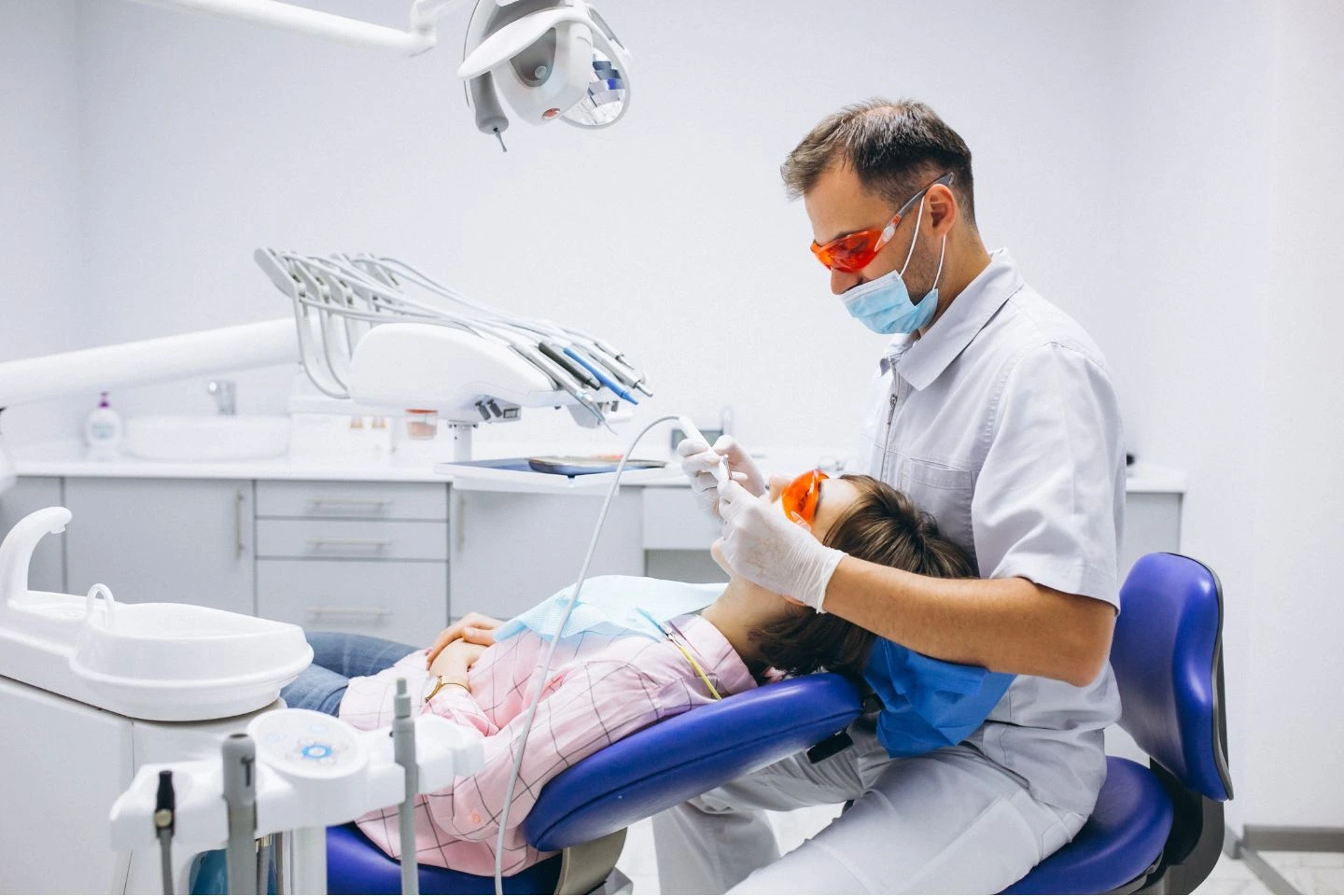
Walking out of the dental office after a procedure can sometimes leave you wondering what the next few days are actually going to look like. You’ve just had an infected nerve removed, your tooth has been thoroughly cleaned and sealed, and now you’re back home waiting for the local anesthetic to wear off. Naturally, you might find yourself asking: Is this mild ache normal? When can I finally eat a proper meal? Should I be worried about swelling?
It is completely normal to have questions about the healing process. While a root canal is a straightforward and routine procedure, your body still needs a little bit of time to bounce back. The surrounding gum tissue underwent some work, and the tissues around the tooth are adjusting to the changes.
Let's walk through what the recovery process actually looks like, day by day. By knowing what to expect, you can kick back, relax, and focus on getting back to your normal routine without second-guessing every little sensation.
Understanding the Healing Process
Before diving into the day-by-day breakdown, it helps to remember that everyone heals at their own pace. Your overall health, which tooth was treated, and how inflamed the area was beforehand all play a role in how your body responds.
In many cases, the severe, throbbing toothache that brought you into the chair improves significantly after treatment because the infected or inflamed pulp has been removed. What you might feel instead is a dull, lingering tenderness, kind of like how your muscles feel a day or two after a really good workout. It’s manageable, temporary, and part of your body's natural healing process.
Day 1: The Day of the Procedure
The first day is all about taking it easy while the local anesthetic gradually wears off.
What to Expect
As the numbness begins to fade a few hours after your appointment, you will likely start noticing a dull ache or mild soreness around the treated tooth and the gum tissue right next to it. If you had a rubber dam or cheek retractor in place during the appointment, those areas might feel a little tender or stretched out, too.
Pain Management
You don't have to tough this out. Your dentist may recommend over-the-counter pain relievers, like ibuprofen or acetaminophen, as the numbness starts to fade and before the ache fully sets in. Always follow the dosage instructions on the package or any specific guidelines we provided you.
Eating and Drinking
Wait until the local numbness has completely worn off before you try to eat anything. This ensures you don't accidentally bite your tongue, cheek, or lip while your mouth is still asleep. Once you are ready to eat, stick to soft, cool, or lukewarm foods like yogurt, mashed potatoes, applesauce, or smoothies.
Days 2 to 3: The Peak of Mild Soreness
For many people, days two and three are when minor post-treatment tenderness may be most noticeable before starting to taper off.
What to Expect
You might notice that the tooth feels a bit sensitive when you bite down or brush near it. This can be normal. The tissues around your tooth may have experienced some irritation during the cleaning and shaping process, and they just need some breathing room to calm down.
Eating and Drinking
You can slowly start branching out to slightly more substantial soft foods, like scrambled eggs, oatmeal, soft pasta, or well-cooked vegetables. However, you should still avoid chewing directly on the treated tooth; especially if you only have a temporary filling in place. Try to stick to chewing on the opposite side of your mouth to protect the tooth from unexpected pressure.
Oral Hygiene
Keep up with your regular brushing and flossing routine, but handle the treated area with extra care. When flossing around a temporary filling, slide the floss out sideways rather than pulling it straight up and down, which can accidentally dislodge the temporary material.
Days 4 to 7: Noticeable Improvement
By the end of your first week, you should generally notice a clear improvement in any soreness or tenderness.
What to Expect
By day four or five, the dull ache should be fading for many patients. Any lingering gum tenderness should also begin to settle. If you look in the mirror, the gums around the tooth should generally look healthy and pink, without unusual swelling or redness.
Returning to Normal
At this point, you can usually resume most of your normal daily activities and eating habits, provided your tooth doesn't have a fragile temporary filling that requires you to stay away from hard or sticky foods (like chewing gum, caramel, or hard nuts) until your permanent restoration is placed.
Week 2 and Beyond: The Final Polish
By the second week, many patients feel completely back to normal. If a permanent crown or other final restoration hasn't been placed yet, this is typically when you will follow up with the office for that next step, depending on your treatment plan.
Getting Your Permanent Crown
Remember, a root canal cleans the inside of the tooth, while a crown can protect the remaining tooth structure from future damage. Because some root-treated teeth can become more vulnerable to fracture, your dentist may recommend a custom crown when appropriate. Once the final restoration is placed, your tooth can be restored to normal function and appearance.
When to Call the Office
While minor soreness is a totally normal part of the healing timeline, certain symptoms are not. Reach out to us at Century Family Dental right away if you notice:
- Severe, throbbing pain or pressure that doesn't get better with pain medication.
- Swelling inside your mouth or on your face that gets worse after the first couple of days.
- An uneven bite that feels high or uncomfortable every time you close your mouth.
- The temporary filling feels loose, cracks, or falls out entirely.
We are always here to check things over and give you peace of mind.
Schedule your visit today and let us help you get back to a comfortable, healthy smile.
Frequently Asked Questions
Q: Is it normal to feel pain after a root canal?
A: Yes, mild to moderate tenderness or a dull ache can be normal for the first few days. This is part of your body's healing process and should gradually improve.
Q: When can I eat normally after a root canal?
A: You can usually return to a normal diet as soon as the local numbness wears off, provided you stick to softer foods initially. If you have a temporary filling, you should avoid hard, crunchy, or sticky foods until your permanent restoration is placed.
Q: How long does full recovery take?
A: Many patients feel significantly better within a few days to a week. However, some tenderness can last longer depending on the condition of the tooth and the individual's healing response. If pain or swelling persists or worsens, contact your dental office.
Q: Why do I need a crown after a root canal?
A: A root canal removes the infected or inflamed pulp inside the tooth, while a dental crown can help protect the remaining tooth structure from fracturing. Not every root-treated tooth necessarily requires a crown, so your dentist will recommend the appropriate final restoration based on the tooth's location, structure, and condition.


Hours
Monday – Saturday: 9 a.m. – 5 p.m.
Sunday: Closed


© 2026 Century Family Dental | All Rights Reserved | Privacy Policy | HIPAA Policy | Website Design by Remedo