
Can Diabetic Patients Safely Undergo Root Canal Treatment?
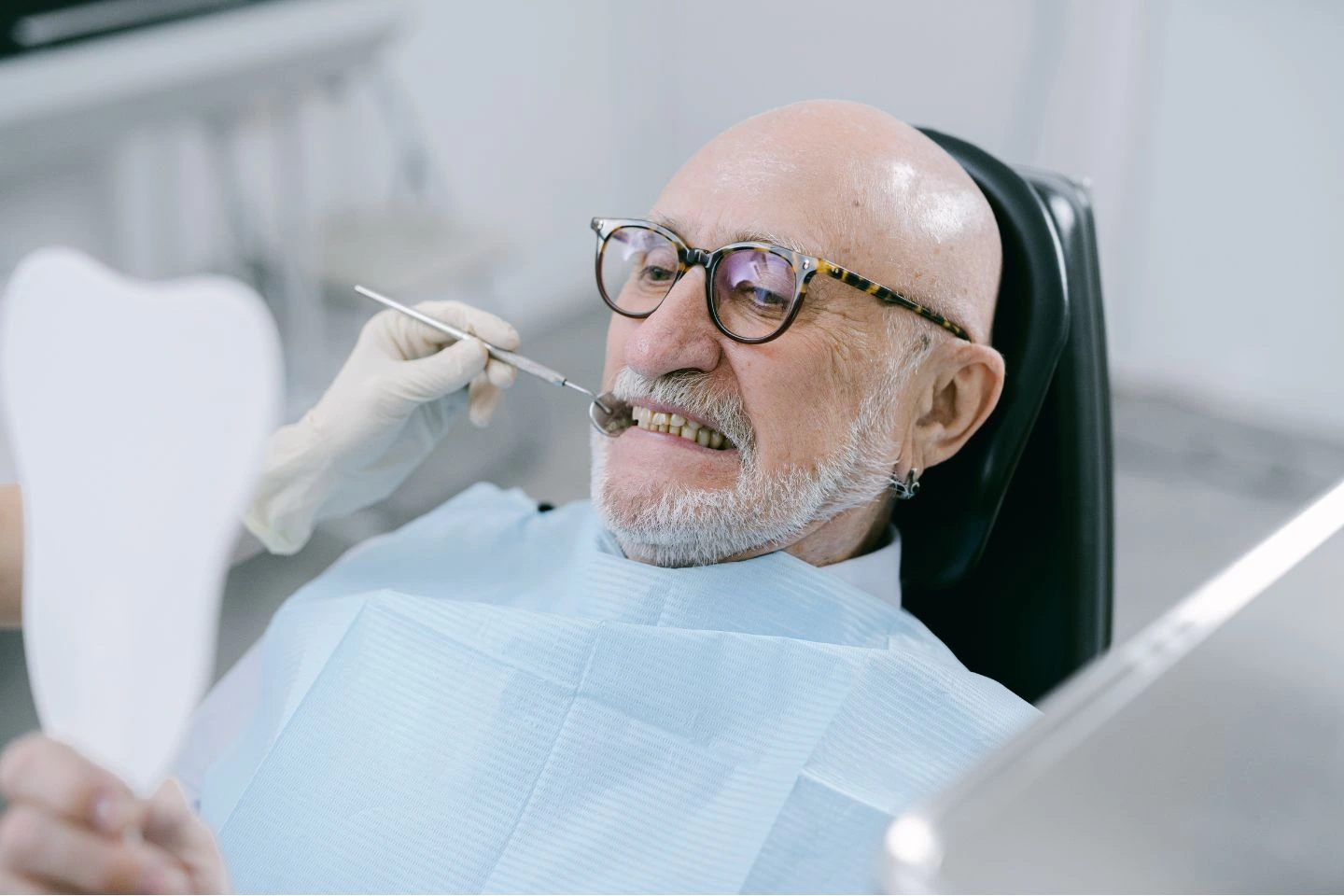
When you live with diabetes, almost every health decision comes with a quick mental check. You watch what you eat, keep tabs on your blood sugar, and pay close attention to how your body heals. So if a severe toothache hits out of nowhere, stopping to wonder if a root canal is safe makes total sense.
A lot of people worry that dental procedures might trigger blood sugar spikes, slow down recovery, or lead to complications.
The straightforward reality is that diabetic patients can undergo root canals safely when their diabetes is appropriately managed. Actually, treating a deep dental infection is important because an active infection can make blood sugar harder to manage.
Here is how diabetes and tooth health connect, how modern dental care protects you during treatment, and what to keep in mind for a smooth recovery.
The Hidden Link Between Blood Sugar and Your Teeth
Your mouth and your blood sugar affect each other far more than most people realize. It is a two-way street: diabetes changes how your body fights off oral bacteria, and an infection in your tooth can affect your glucose levels.
Why High Blood Sugar Opens the Door to Infection
When blood glucose stays elevated, it can weaken white blood cells the body's front-line defense against infection. On top of that, extra sugar shows up in your saliva. That creates an environment that can support bacteria, making deep decay and nerve damage more likely to happen.
How Tooth Pain Spikes Blood Sugar
When a tooth gets infected, your body treats it like an emergency. It pumps out stress hormones like cortisol and adrenaline. These hormones signal your liver to release stored glucose into the blood to give you energy to fight off the issue. That is why an untreated toothache can contribute to blood sugar spikes, even with your normal insulin or medication.
What Happens If You Put Off Treatment?
Inside every tooth sits a soft nerve center called the pulp. Once bacteria reach that area, the tissue breaks down. Leaving an infected tooth alone creates real problems, especially for someone with diabetes:
- Blood Sugar Swings: As long as bacteria sit inside the root, your body remains inflamed, which can make glucose levels harder to manage.
- Spreading Abscesses: An untreated nerve infection does not just stay put. It can push past the root tip into the jawbone, forming a painful, swollen abscess.
- Slower Overall Healing: Since diabetes can delay tissue repair, letting an infection drag on may make the eventual cleanup harder on your body than treating it early.
Clearing out damaged pulp treats the source of the dental infection and can help reduce inflammation.
How Dentists Keep Treatment Safe for You
Dentists handle chronic health conditions daily. When you go in for a root canal, specific steps are taken to make sure the procedure goes smoothly without risking your health.
Checking A1C and Current Numbers
Your dental team will want to discuss your recent blood sugar history and HbA1C levels. Generally, if your diabetes is well managed, a root canal may carry less additional risk. If your numbers happen to be running unusually high that day, your dentist might check in with your doctor to help determine whether treatment should proceed as planned.
Choosing the Right Time of Day
Morning appointments may be convenient for diabetic patients. Your dentist may recommend a time that works with your usual meals, medications, and blood sugar monitoring routine.
Effective Local Numbing
Pain and anxiety trigger adrenaline, which can drive blood sugar up. Modern local anesthetics numb the area and help prevent sharp discomfort. Keeping you relaxed is part of keeping your numbers steady.
Antibiotics When Needed
Because diabetes can affect your body's immune response, your dentist might prescribe antibiotics when there are signs of spreading infection or another clinical reason to use them.
What to Expect During the Procedure
A root canal for a diabetic patient follows the same basic process as any other endodontic visit:
- Quick Pre-Check: The team reviews your current blood sugar history and makes sure your diabetes, medications, and meal schedule are taken into account.
- Numbing the Tooth: Local anesthetic is applied so the treatment area is adequately numb before anything starts.
- Cleaning Out Bacteria: The dentist creates a tiny opening in the top of the tooth, removes the damaged pulp, and thoroughly disinfects the inner root canals.
- Sealing the Canals: The clean channels are filled with a rubber-like biocompatible material to block future bacteria.
- Placing a Crown: A custom crown is usually fitted over the tooth later on to rebuild its strength and let you chew comfortably.
Recovery Tips for Diabetic Patients
Healing after a root canal is generally manageable, but keeping these basic tips in mind helps avoid any setbacks:
- Keep an Eye on Glucose Levels: Test your blood sugar regularly for a couple of days after the visit. As the tooth infection clears out, your readings may become easier to manage.
- Eat Soft, Balanced Foods: Stick with easy-to-chew options like scrambled eggs, oatmeal, smooth soups, and yogurt while tenderness fades.
- Stay Gentle with Brushing: Keep up your daily brushing and flossing routines, but go easy around the treated tooth for a few days.
- Take Meds as Directed: Follow instructions for any prescribed antibiotics or basic over-the-counter pain relievers.
Careful Care in Westborough, MA
Managing your oral health alongside diabetes does not have to feel overwhelming. Working with a team that understands how blood sugar and dental health interact makes all the difference.
If you are dealing with tooth discomfort or have questions about Root Canal Treatment in Westborough, MA, our team at Century Family Dental is here to help. Located right here in Westborough, MA, our practice focuses on patient-centered, attentive care tailored to your overall health. Contact our Westborough office today to schedule your evaluation.
Frequently Asked Questions
Q: Does diabetes make a root canal take longer to heal?
A: If your blood sugar is well-controlled, healing time may be similar to anyone else's. Unmanaged high blood sugar can slow tissue recovery, which is why keeping glucose levels stable matters.
Q: Should I take my normal diabetes medication before my appointment?
A: Follow your normal diabetes medication and meal plan unless your doctor or dentist specifically tells you otherwise. If your appointment affects your normal meal or medication schedule, discuss this with your healthcare team beforehand.
Q: Can a tooth infection raise blood sugar if it doesn't hurt badly?
A: Yes. Even a mild, dull tooth infection can cause the body to release stress hormones that may contribute to higher blood sugar levels.
Q: What happens if my blood sugar drops during the visit?
A: Tell your dental team right away if you start feeling shaky, sweaty, or dizzy. The dental team can pause treatment and provide appropriate care for low blood sugar.
Q: Is pulling the tooth safer than getting a root canal if I have diabetes?
A: Not necessarily. The appropriate option depends on the condition of the tooth, your overall health, and other clinical factors. If the tooth can be restored, a root canal may allow you to keep your natural tooth without creating an extraction wound.


Hours
Monday – Saturday: 9 a.m. – 5 p.m.
Sunday: Closed


© 2026 Century Family Dental | All Rights Reserved | Privacy Policy | HIPAA Policy | Website Design by Remedo