
5 Signs You Need to See an Emergency Dentist
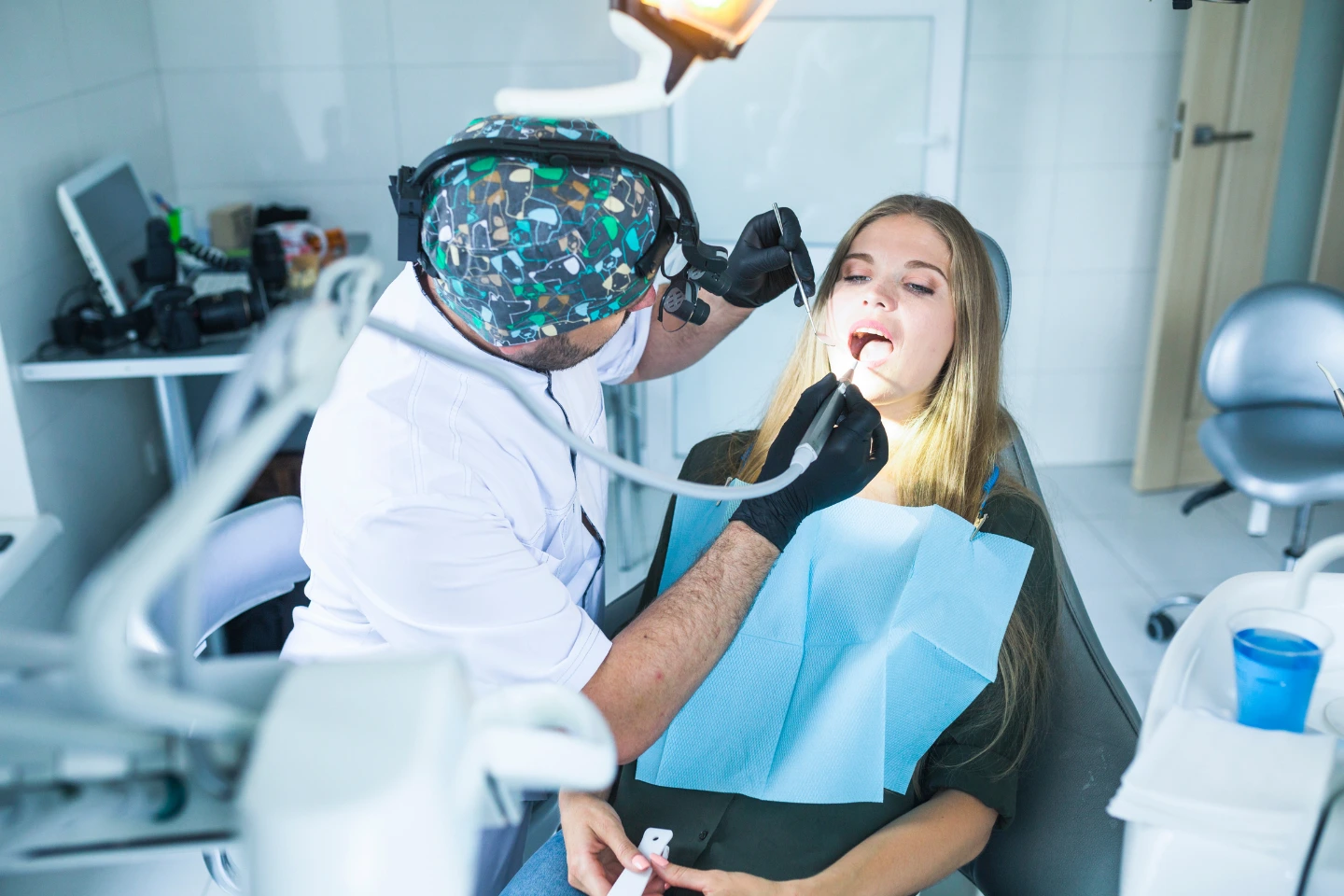
We have all had those moments where a little twinge in a tooth makes us pause. Usually, we tell ourselves it is just a bit of sensitivity or that it will go away if we give it a day or two. But then there are the other moments, the ones where the pain is so sharp it takes your breath away, or you wake up to find your cheek has puffed up like a balloon. These are the times when "waiting until Monday" or "seeing how it feels tomorrow" simply isn't an option.
Dental emergencies are a unique kind of stress. They are often painful, always inconvenient, and usually happen when you have a million other things on your plate. Knowing when to drop everything and call an emergency dentist can be the difference between saving a tooth and losing it.
At Century Family Dental, we want our neighbors in Westborough, MA, to feel prepared rather than panicked. While we always hope you never have to deal with a dental crisis, here are the five major signs that you should seek professional help immediately.
Unbearable or Throbbing Pain
Pain is your body’s most effective way of sounding an alarm. While a minor ache might be a sign of a small cavity, a severe, throbbing pain that radiates into your jaw, neck, or ear is a major red flag.
This type of intense discomfort often suggests that an infection has reached the pulp, the soft center of your tooth where the nerves and blood vessels live. When the nerve is under attack, the pressure builds up with nowhere to go, resulting in that relentless pounding sensation. If the pain is preventing you from sleeping or performing daily tasks, it is a clear sign that you need an urgent evaluation.
A Knocked-Out or Severely Loosened Tooth
Life happens. Whether it is a foul ball at a game or an accidental trip on the sidewalk, a knocked-out permanent tooth is one of the most time-sensitive emergencies in all of dentistry.
There is a very small window of time, usually about an hour, where a dentist has the best chance of successfully replanting the tooth back into the socket. If your tooth is knocked out, touch it only by the crown (the chewing surface), rinse it gently without scrubbing the root, and try to place it back in the socket. If it won't stay, keep it in a small container of milk and get to an emergency dentist as fast as possible. Even if the tooth is just loose or pushed out of alignment, it needs to be stabilized right away to prevent permanent damage.
Swelling in the Gums, Face, or Jaw
Swelling is almost never a "wait and see" situation. If you notice a small, painful bump on your gums that looks like a pimple, you might be dealing with a dental abscess. This is a pocket of infection that can be quite dangerous.
The real concern with dental swelling is that it can spread. If your cheek or jaw starts to look puffy, or if the swelling starts to move toward your eye or down your neck, it means the infection is traveling. In severe cases, this can interfere with breathing or swallowing. Seeking emergency care allows a dentist to drain the infection and start you on the right path to recovery before the situation becomes a systemic health risk.
A Deeply Cracked or Fractured Tooth
We are not just talking about a tiny chip on the edge of a tooth that feels a little rough to your tongue. We are talking about a fracture that goes deep into the tooth structure.
When a tooth is cracked deeply, the sensitive inner layers are exposed to the bacteria in your mouth. This can cause sharp, electric shocks of pain whenever you bite down or even just when you breathe in cold air. A deep crack also weakens the structural integrity of the tooth, making it prone to breaking apart completely. An emergency dentist can assess the depth of the crack and provide a temporary or permanent fix to protect the nerve and keep the tooth intact.
Persistent Bleeding or Metallic Taste
If you have recently had a dental procedure, like an extraction, a small amount of spotting is normal. However, if you are experiencing heavy bleeding that does not stop after applying firm pressure with gauze for twenty minutes, you need to seek help.
Similarly, a sudden metallic taste in your mouth often indicates that an old restoration, like a crown or a large filling, has cracked or become loose. This can leave the underlying tooth vulnerable to sudden pain and further decay. While it might not hurt right this second, a failing restoration is a "quiet" emergency that can turn into a painful one very quickly.
Managing the Situation on the Way
If you find yourself facing one of these signs, your first step is to call us. While you are preparing to head to the office, there are a few things you can do to stay comfortable:
- Rinse gently: Use warm salt water to clear away debris and help soothe irritated gum tissue.
- Cold compresses: If you are dealing with swelling or trauma, apply a cold pack to the outside of your face in twenty-minute intervals.
- Stay upright: Keeping your head elevated can help reduce the pressure and throbbing in the affected area.
Prioritizing Your Relief During a Crisis
At Century Family Dental, we know that an emergency is the worst time to feel like a stranger in a dental office. We pride ourselves on being a calm, supportive place for our Westborough, MA, neighbors during their most stressful moments.
Our goal is not just to fix the tooth, but to make sure you feel heard and comfortable throughout the process. We use gentle techniques and take the time to explain exactly what is happening. You are not just a dental case to us; you are a person who needs help, and we are dedicated to providing that help with a steady hand and a kind word.
Are you currently experiencing dental pain or an injury? Do not wait for the situation to get worse. Contact Century Family Dental today for the emergency care you need to find relief and protect your smile.
Frequently Asked Questions
Q: Should I go to the ER for a dental emergency?
A: Most hospital emergency rooms are not equipped with the tools or staff to handle dental repairs. They can often provide pain medication or antibiotics, but they cannot fix a broken tooth or perform an extraction. Unless you are having trouble breathing or have a broken jaw, a dentist is almost always the better choice for dental issues.
Q: Can a tooth be saved after it has been knocked out?
A: Yes, but time is everything. The sooner you get to a dentist, the better. Keeping the root moist in milk or saliva is essential for keeping the cells alive until you reach the office.
Q: Is a lost filling an emergency?
A: It depends on the pain level. If the tooth is very sensitive or sharp, it should be seen quickly. If there is no pain, it can usually wait a day, but you should still call to get it handled before a cavity starts to form in the exposed area.
Q: What if my emergency happens in the middle of the night?
A: If the pain is manageable with over-the-counter meds, you can often wait until the morning. However, if you have rapid swelling or an injury that won't stop bleeding, you should seek immediate care.
Q: How can I prevent dental emergencies?
A: While you can't prevent every accident, wearing a mouthguard during sports and avoiding using your teeth as tools to open packages can go a long way. Regular checkups also help us catch small problems before they turn into emergencies.


Hours
Monday – Saturday: 9 a.m. – 5 p.m.
Sunday: Closed


© 2026 Century Family Dental | All Rights Reserved | Privacy Policy | HIPAA Policy | Website Design by Remedo