
Best Sleep Positions to Prevent Teeth Grinding
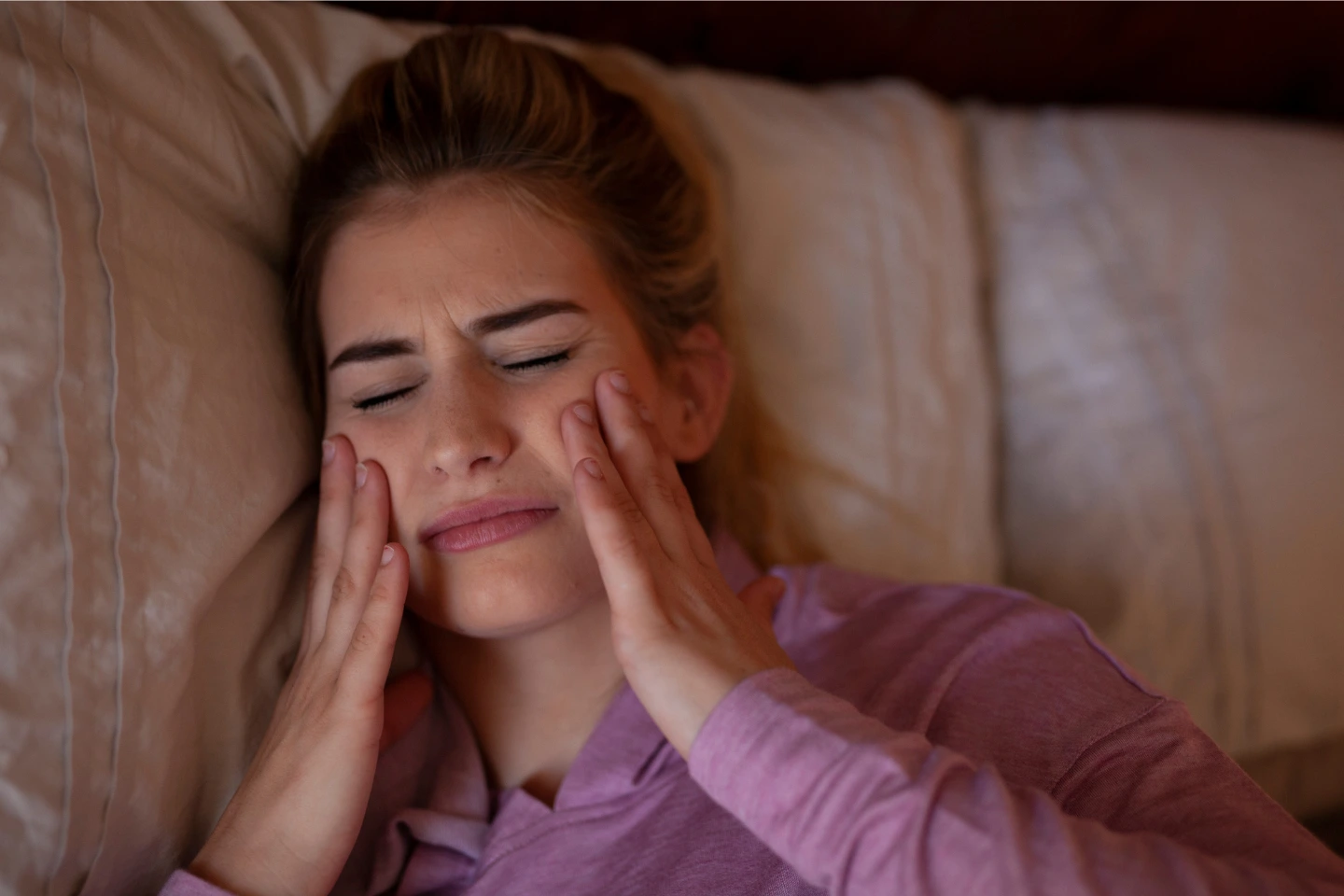
Many people are surprised to learn that the way they curl up at night has a massive impact on whether they wake up with a relaxed jaw or a throbbing headache. While bruxism is often tied to stress or diet, your physical alignment during sleep can either invite or discourage clenching.
At Century Family Dental, we often find that patients who struggle with grinding are sleeping in positions that put unnecessary pressure on their head, neck, and jaw. By making a few simple adjustments to your sleeping posture, you can help your jaw find a natural, neutral position that reduces the urge to grind.
Why Sleep Position Matters for Your Jaw?
When you sleep, your muscles lose their daytime tone. If your head is tilted at an awkward angle or your jaw is being pushed on by a firm pillow, your body may instinctively clench your teeth to stabilize the jaw joint. Gravity also plays a role; certain positions allow the tongue and soft tissues to fall backward, which can narrow the airway and trigger a grinding response as the body struggles to keep the airway open.
Let us look at the best and worst positions for your dental health.
The Gold Standard: Sleeping on Your Back
Sleeping on your back, also known as the supine position, is widely considered the best choice for those who grind their teeth.
Why It Works?
When you lie on your back, your head, neck, and spine are aligned in a neutral position. This prevents any lopsided pressure on the temporomandibular joint. In this position, gravity naturally pulls the lower jaw into a relaxed, slightly open state.
How to Optimize It?
- Pillow Choice: Use a pillow that supports the natural curve of your neck but does not prop your head up too high. If your head is pushed too far forward, it can actually strain the jaw muscles.
- The Tongue Trick: As you fall asleep on your back, try to rest the tip of your tongue against the roof of your mouth, just behind your front teeth. This encourages the jaw to stay relaxed and slightly apart.
The Runner Up: Side Sleeping
Side sleeping is the most popular position, and for many, it is quite comfortable. However, it requires a bit more attention to detail to ensure it does not contribute to grinding.
The Risks
If you sleep on your side with your hand tucked under your cheek or with a pillow that is too flat, you are putting constant lateral pressure on your jaw. This can push the jaw out of alignment and cause the teeth to mesh together tightly.
How to Optimize It?
- Use a Contoured Pillow: Ensure your pillow is thick enough to bridge the gap between your ear and your shoulder. This keeps your head level and prevents it from tilting downward, which strains the jaw.
- Keep Hands Away: Avoid sleeping with your chin tucked into your chest or your hand pressing against your jaw. Try hugging a body pillow instead to keep your arms occupied and your chest open.
The Position to Avoid: Stomach Sleeping
If you are a chronic teeth grinder, sleeping on your stomach is the habit you most need to break.
Why It Causes Problems?
When you sleep on your stomach, you are forced to turn your head to one side for hours at a time. This twists the neck and puts immense pressure on one side of the jaw. It also compresses the jaw joint into the pillow, which often triggers an unconscious clenching response. Most stomach sleepers find that their bruxism symptoms are significantly worse on the side they typically turn their head toward.
Additional Sleep Environment Tips
Improving your position is a great start, but Century Family Dental recommends a holistic approach to nighttime jaw health.
- Check for Sleep Apnea: If you find that you only feel comfortable on your stomach, it might be because your airway is collapsing in other positions. Grinding is often a red flag for sleep apnea, and treating the breathing issue often stops the grinding.
- Support Your Knees: If you are trying to switch from your stomach to your back, place a pillow under your knees. This takes the pressure off your lower back and makes staying on your back much more comfortable.
- Temperature Control: A cold room can cause you to huddle up and tense your shoulders and jaw. Keep your bedroom at a comfortable, slightly cool temperature, and ensure your neck is kept warm.
Frequently Asked Questions
Q: Can a new pillow really stop me from grinding?
A: A pillow alone may not stop the underlying cause of bruxism, but it can significantly reduce the physical strain on your jaw. Proper support helps prevent the muscle fatigue that leads to nighttime spasms.
Q: Why do I wake up with a sore jaw even when I sleep on my back?
A: While back sleeping is generally best, you might still be clenching due to stress or an uneven bite. If your jaw still hurts, it is a sign that lifestyle factors or dental alignment need to be addressed at Century Family Dental.
Q: How can I train myself to sleep in a new position?
A: It takes time to change a lifelong habit. You can try using pillow barricades on either side of your body to prevent yourself from rolling onto your stomach or side during the night.
Q: Does a mouthguard work in any sleep position?
A: Yes, a custom mouthguard from Century Family Dental will protect your teeth regardless of how you sleep. However, combining a mouthguard with a better sleep position provides the maximum level of relief for your muscles and joints.
Conclusion
Your sleep position is a powerful tool in your fight against teeth grinding. By moving toward a back sleeping or supported side sleeping position, you can take the weight off your jaw and allow your facial muscles to truly rest. At Century Family Dental, we want you to wake up feeling refreshed, not restricted by jaw pain. Small changes in how you tuck yourself in tonight can lead to a much healthier smile tomorrow.


Hours
Monday – Saturday: 9 a.m. – 5 p.m.
Sunday: Closed


© 2026 Century Family Dental | All Rights Reserved | Privacy Policy | HIPAA Policy | Website Design by Remedo