
Teeth Grinding (Bruxism): Signs, Causes and Treatment
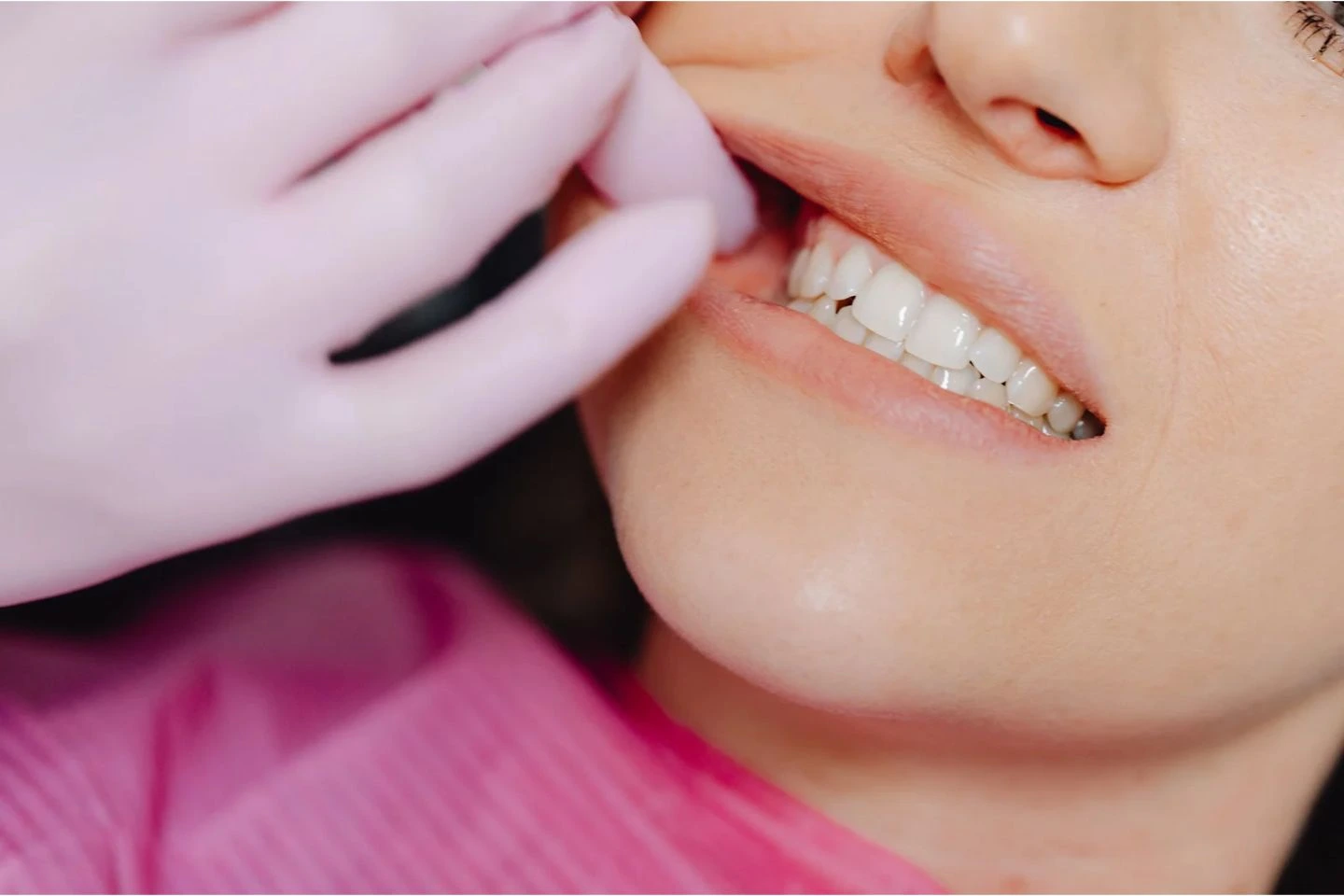
Waking up with a dull, throbbing headache, a tight jaw, or sensitive teeth is a miserable way to start your day. For millions of people, these morning aches point directly to a habit called bruxism. That is the medical term for involuntary teeth grinding and clenching. Because this clenching usually happens while you sleep, most people have no clue they are doing it until a partner hears the noise or a dentist spots flat enamel during a checkup.
Ignoring nighttime grinding leads to major structural damage over time. Your jaw muscles can generate incredible force while you sleep. That continuous pressure cracks expensive crowns, pops fillings loose, and wears down natural enamel until inner nerves get exposed.
Understanding why bruxism happens, what physical clues to look for, and how a clinical team can help keeps your smile safe. If you live in the area and want to find a reliable general dentist near me to check your jaw, getting the basic facts about teeth grinding is a great start.
Common Physical Warning Signs
Because bruxism happens overnight, your body relies on physical warning signs to show that your bite is taking a beating while you sleep. Spotting these signs early lets you get help before permanent tooth damage occurs:
- Morning Headaches: Waking up with tight facial muscles or a dull headache around your temples usually means your jaw was clenched all night.
- Flattened or Chipped Tooth Edges: Looking in the mirror and noticing your front teeth look shorter, flat, or chipped at the edges signals heavy friction.
- Heightened Sensitivity: As grinding strips away hard outer enamel, underlying dentin gets exposed, causing sharp pain with hot coffee or cold drinks.
- Tense Sleep: Chronic grinders often sleep restlessly or wake up tired because jaw muscles stay active and tense through the night.
- Noise Noticed by Family: Frequently, a spouse or family member spots the issue first because they hear grinding sounds coming from your mouth in the dark.
What Triggers Nighttime Grinding?
Researchers point to a mix of physical, lifestyle, and mental triggers that cause bruxism:
Emotional Stress and Anxiety
High stress levels, work pressure, and daily anxiety are huge drivers for jaw clenching. Many people carry stress in their jaw muscles without realizing it, triggering unconscious grinding at night.
Sleep Disorders
Issues like sleep apnea, where breathing stops and starts during sleep, link up closely with bruxism. The body clenches the jaw as a reflex mechanism to help hold the airway open.
Misaligned Teeth
If your upper and lower teeth do not fit together smoothly when your mouth closes, jaw muscles work overtime trying to find a resting spot, leading to grinding.
Stimulants
Drinking caffeine late in the day, consuming alcohol, or smoking tobacco products can increase how often you grind your teeth overnight.
Treatment Options That Work
Treating bruxism requires protecting your enamel while addressing whatever triggers the clenching. A comprehensive approach offers several solutions:
Custom Night Guards
Unlike bulky drugstore mouthguards, a custom guard made by a dentist fits your arches like a glove. It acts as a heavy-duty cushion, absorbing grinding forces and keeping teeth apart all night.
Restorative Dental Work
If worn teeth or a crooked bite trigger your clenching, your dentist can reshape specific tooth surfaces or repair damaged enamel using strong crowns and bonding.
Stress Reduction
Cutting back on evening caffeine, practicing relaxation techniques before bed, or dealing with high stress levels can lower nighttime muscle tension.
Jaw Exercises and Heat
Simple stretches, warm compresses, and light massage help release tight jaw joints and ease morning muscle soreness.
The Cost of Putting Off Treatment
It is easy to ignore a slightly sore jaw and assume the problem will disappear on its own. Unfortunately, bruxism rarely resolves without active intervention.
When you let grinding continue unchecked, enamel keeps thinning until the sensitive nerve center of the tooth gets exposed. Once that happens, simple tooth grinding turns into a much bigger problem requiring root canals, crowns, or full tooth extractions. Taking action early protects your natural teeth and saves you from massive dental expenses down the road.
Protecting Your Smile in Westborough
Living with untreated teeth grinding takes a toll on your daily comfort and long-term health. Getting a straightforward evaluation from a team that listens gives you clarity and real relief.
General Dentistry Westborough MA For quality general dentistry in Westborough MA, you need a local practice that cares about patient comfort, accurate diagnostics and preventive care. Century Family Dental designs custom treatment strategies to help keep your smile safe from the effects of daily use and tear. Call Century Family Dental today to book your consultation and stop grinding your teeth before they get damaged.
Frequently Asked Questions
Q: Can I use a cheap drugstore mouthguard to stop my teeth grinding?
A: Store-bought guards are thick, loose, and uncomfortable. A custom night guard from your
dentist fits tightly, stays in place, and offers far better protection for your enamel.
Q: How do I tell if tooth sensitivity comes from grinding or a cavity?
A: A dental checkup is the only way to be sure. Cavities usually hurt in one specific tooth, while grinding causes broad sensitivity across multiple teeth alongside jaw soreness.
Q: Do kids grind their teeth too?
A: Yes, many young children grind their teeth while baby or adult teeth come in. Most outgrow it, but checking in with a family dentist ensures their jaw growth stays on track.
Q: Will a custom night guard stop my jaw muscles from clenching?
A: A night guard might not completely stop the clenching reflex, but it acts as a barrier that absorbs the force and prevents your teeth from rubbing together.
Q: How many years does a custom night guard last?
A: Depending on how heavy your grinding is, a custom guard lasts anywhere from three to several years with simple daily cleaning.


Hours
Monday – Saturday: 9 a.m. – 5 p.m.
Sunday: Closed


© 2026 Century Family Dental | All Rights Reserved | Privacy Policy | HIPAA Policy | Website Design by Remedo