
How Long Do Dental Crowns Last? Signs Your Crown May Need Replacing
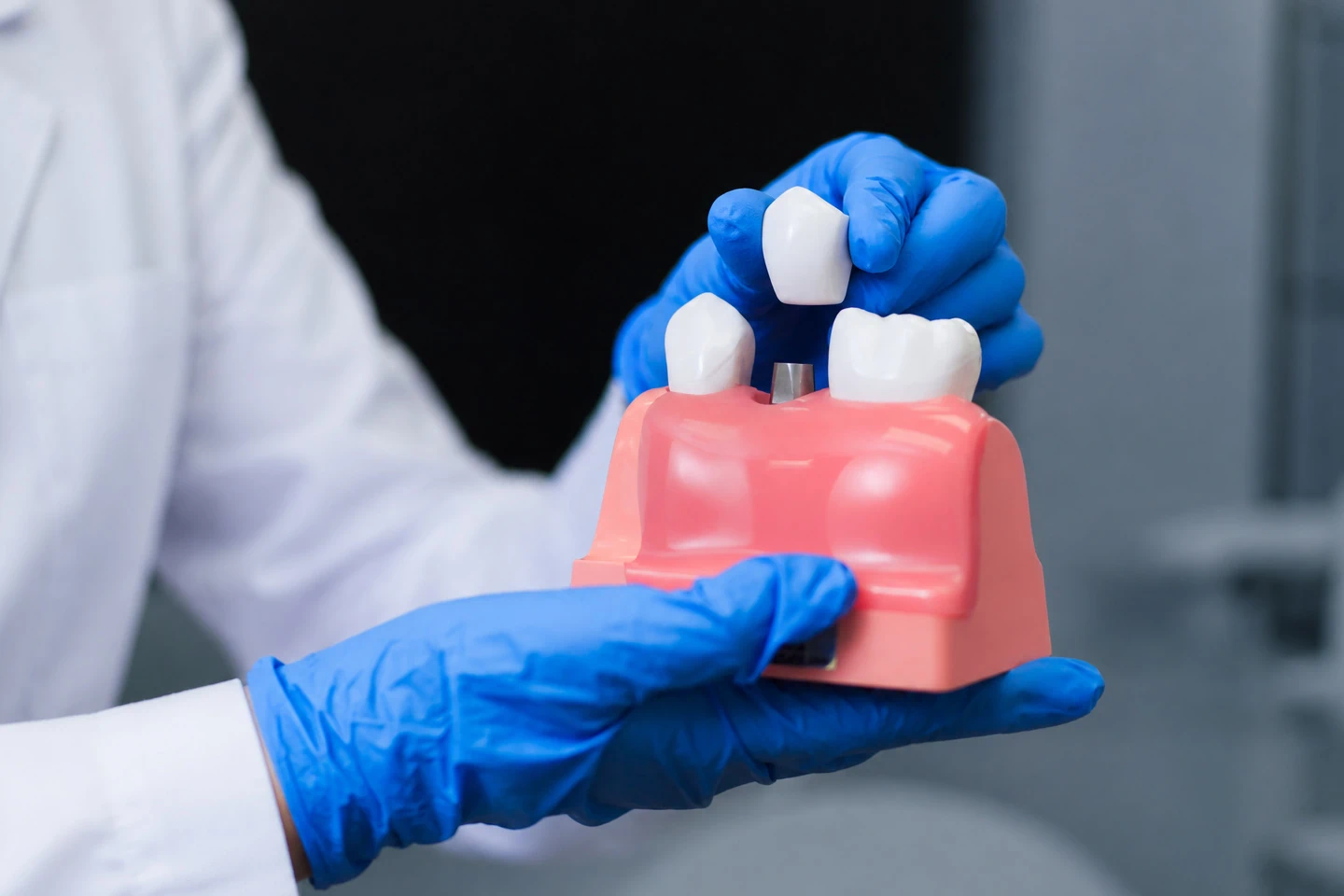
A dental crown is essentially a protective cap for a tooth that has been weakened by decay, trauma, or a root canal. It is one of the most common and reliable ways we restore a tooth to its original shape and function. But like any piece of restorative work in your mouth, a crown is not designed to last forever. People often ask us at Century Family Dental in Westborough MA, "How long is this thing actually supposed to stay there?" It is a great question, and the answer is usually a blend of biology, lifestyle, and a little bit of good old-fashioned maintenance.
The Life Expectancy of a Crown
There is no expiration date stamped on a crown, but on average, most well-cared-for crowns can last anywhere from ten to fifteen years, and often even longer. We have seen many patients who have had their crowns for twenty years or more without a single issue. The lifespan really depends on the material used, the location of the tooth, and, most importantly, the daily habits you keep.
Think of your crown like the tires on your car. If you drive carefully and keep them properly inflated, they last a long time. If you hit every pothole you see and rarely check the pressure, they are going to wear out much faster. Your teeth face the same kind of daily "driving" every time you chew, grind, or clench.
Factors That Affect Longevity
Several things play a role in how long your restoration stays in good shape:
Your Daily Routine
Brushing and flossing are non-negotiable. The crown itself cannot get a cavity, but the natural tooth structure underneath or around the edge of the crown definitely can. If bacteria build up at the margin where the crown meets your gum, it can create problems.
The Habit of Grinding
If you clench or grind your teeth while you sleep, you are putting a massive amount of pressure on your crown. Over time, this can lead to cracks or chips in the material. This is where a night guard becomes your best friend.
What You Eat
While crowns are strong, they are not indestructible. Chewing on ice, hard candies, or using your teeth to open packages is the fastest way to damage a crown.
Your Oral Health
Your gums provide the foundation for your teeth and your crowns. If you develop gum disease, the gums can recede, exposing the edges of the crown and making the underlying tooth structure more vulnerable to decay.
Signs That Your Crown Might Need Attention
Sometimes a crown will give you a clear signal that something is wrong. You do not always have to wait for a routine checkup to know that it is time for a look. Keep an eye out for these common indicators:
Persistent Sensitivity or Pain
If a tooth that has been crowned suddenly starts feeling sensitive to temperature or pressure, it could mean that the cement holding it in place has begun to fail, or that there is decay forming beneath the crown. A little sensitivity can be normal right after the procedure, but if it happens months or years later, it is a sign that something has changed.
A Chipped or Cracked Surface
It sounds obvious, but sometimes a small chip is easy to miss, especially if it is in the back of your mouth. If you feel a rough edge with your tongue, or if you see a visible crack in the material, it is time to have it evaluated. Small cracks can grow into larger fractures that compromise the strength of the crown.
Swollen or Receding Gums
If the tissue around your crown looks red, puffy, or if it seems to be pulling away from the tooth, it might be an issue with how the crown fits. A well-fitting crown should be smooth and flush with your gum line. If your gums are changing, it might be a sign of irritation or underlying infection.
The Crown Feels Loose
This is perhaps the most obvious sign. If you feel even a tiny bit of movement when you chew or floss, do not ignore it. The cement that holds a crown in place is very strong, but it can eventually wear down. If the crown gets loose, it creates a space for bacteria to slip underneath, which can cause rapid decay in the natural tooth structure underneath.
Prevention Is Better Than Replacement
The best way to get the most out of your crown is to treat it like a natural part of your smile. During your regular checkups at Century Family Dental, we take a close look at the margins of your crown. We use specialized instruments to check for any signs of movement, decay, or gum irritation.
If we spot a small issue early, we can often address it before it turns into a major problem. This is why we are such big proponents of consistent hygiene visits. It is much easier and less expensive to manage a minor issue than it is to replace an entire crown that has failed.
Choosing the Right Materials
When we discuss a new crown, we talk about the materials that are right for you. Some materials are better for the back teeth where you need high strength for chewing, while others are better for the front teeth where appearance is the priority. Making the right choice from the start is the first step in ensuring your crown lasts for the long haul.
Staying on Track
Do not let the fear of a potential replacement keep you from addressing a crown that feels "off." Most of the time, the fix is much simpler than you might expect. If you feel like your crown is getting older, or if you just cannot remember when it was placed, bring it up at your next appointment. We can take a quick look and give you an honest assessment of how it is holding up.
Your smile is a valuable asset. By keeping an eye on your restorations and maintaining a healthy routine, you can ensure that your crowns continue to protect your teeth and keep your smile functional for years to come.
Frequently Asked Questions
Q: Can a crown be repaired if it chips?
A: It depends on the size and location of the chip. Sometimes we can smooth it out, but if the chip is significant, a replacement is often the safest way to protect the tooth underneath.
Q: Will I know if my crown has decay underneath it?
A: Not always. This is why regular X-rays and professional exams are so important. Decay under a crown can be invisible to the naked eye until it becomes a serious issue.
Q: Does flossing loosen a crown?
A: No, absolutely not. Properly placed crowns are extremely secure. If a crown comes loose while flossing, it means the cement has already failed and the crown needed to be re-cemented anyway.
Q: What should I do if my crown falls off?
A: If it falls off, keep it safe and call us right away. Try not to eat on that side of your mouth. We can often clean the tooth and the crown and re-cement it for you if the natural tooth structure is still healthy.
Q: Does it hurt to replace a crown?
A: The process of replacing a crown is very similar to getting the first one. We use local anesthesia to make sure you are comfortable, and most patients find it to be a very smooth experience.
Q: How can I tell if I am grinding my teeth at night?
A: You might notice your jaw feeling tired in the morning, or you might have unexplained headaches. Your dentist can also see wear patterns on your teeth that are classic signs of grinding.


Hours
Monday – Saturday: 9 a.m. – 5 p.m.
Sunday: Closed


© 2026 Century Family Dental | All Rights Reserved | Privacy Policy | HIPAA Policy | Website Design by Remedo