
What Is a Dental Crown and Do You Really Need One? A Patient's Plain-English Guide
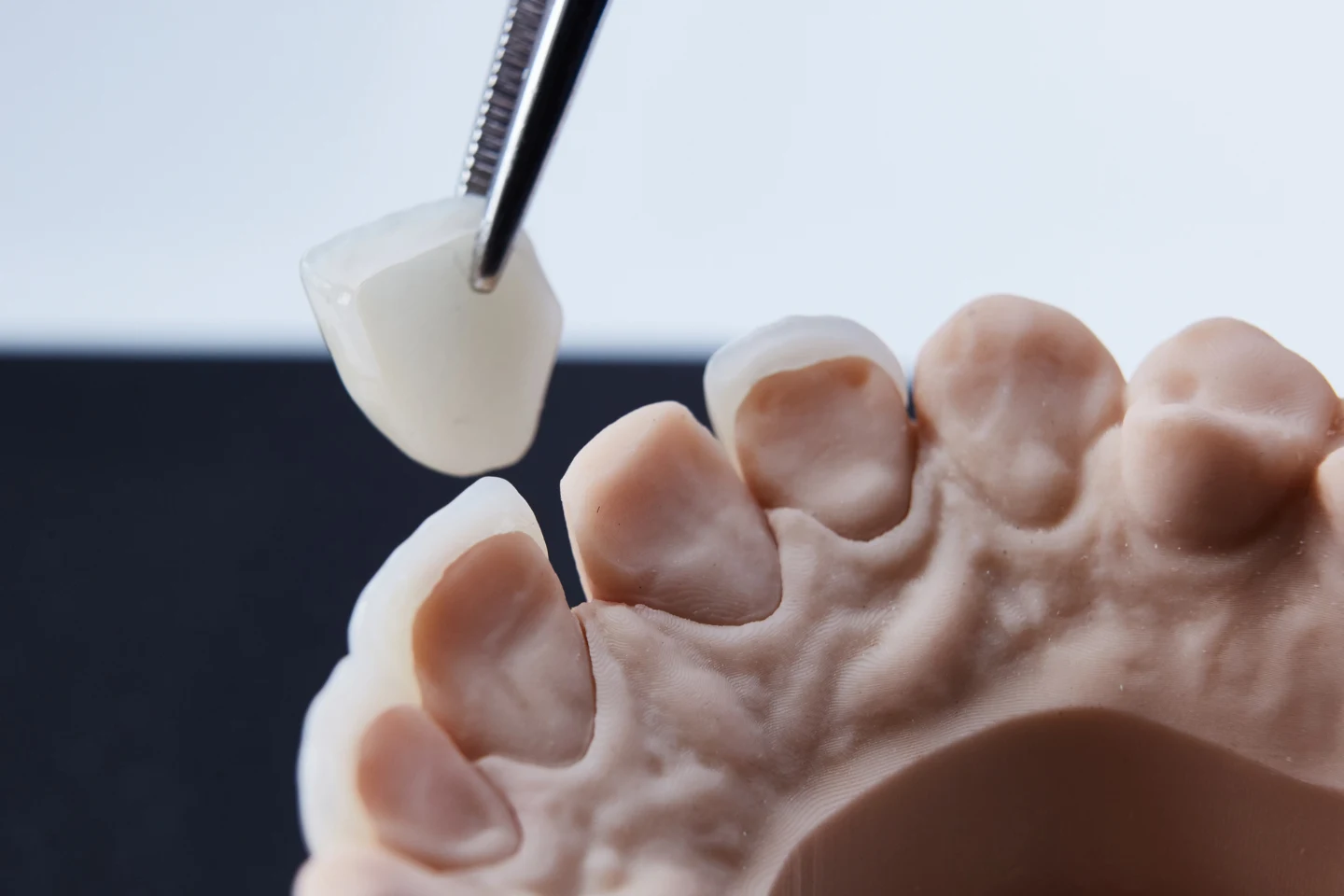
If you have ever been told that you need a dental crown, you might have felt a bit of confusion. Is it just a fancy filling? Is it a permanent fix? It is one of the most common restorative treatments in dentistry, yet it remains shrouded in mystery for many people. At Century Family Dental, we believe the best dental care starts with understanding, so let us break down exactly what a crown is and how to know if it is truly the right move for your smile.
What Exactly Is a Dental Crown?
Think of a crown as a custom-fitted, protective helmet for your tooth. While a standard filling is used to repair a small area of decay, a crown is designed to cover the entire visible portion of a tooth that has been weakened. By encasing the tooth from the gum line up, a crown restores its original shape, strength, and function, effectively shielding it from further damage.
How Do You Know If You Need One?
We do not recommend crowns lightly. We prefer to save as much of your natural tooth structure as possible. However, a crown is often the safest path forward in several specific situations:
- Extensive Decay: When a cavity is so large that a filling would not have enough healthy tooth structure to "hold onto," a crown provides the necessary support.
- Post-Root Canal Protection: After a root canal, a tooth can become brittle because it no longer has its internal blood supply. A crown acts as a protective shield to keep that tooth from fracturing.
- Cracked or Fractured Teeth: If your tooth has a significant crack, a crown holds the pieces together, preventing the crack from spreading deeper into the root.
- Heavy Wear: For patients who grind their teeth, years of pressure can wear a tooth down to a nub. A crown restores the lost height and protects what remains.
- Cosmetic Restoration: Sometimes, a tooth is severely discolored or misshapen, and a crown is the best way to achieve a uniform, natural-looking result.
The Process: What to Expect
Getting a crown typically takes two visits. During the first visit, we gently reshape the tooth to make room for the crown and take a precise impression. We then place a temporary crown to keep you comfortable while our lab creates your final, custom-fit restoration. On your second visit, we bond the final crown into place, ensuring it fits your bite perfectly. It is a straightforward, routine process designed to get you back to your life with a stronger, healthier tooth.
How Long Do Dental Crowns Really Last?
If you have a dental crown, you probably think of it as a permanent piece of your smile. It is the protective cap that shields your tooth after decay, trauma, or a root canal, acting as a sturdy guard for the natural tooth structure left underneath. But since a crown is a restoration rather than a living part of your body, it is natural to wonder about its expiration date. People often ask us at Century Family Dental, "Is this going to stay put for the rest of my life?"
The truth is, there is no set calendar date for when a crown will wear out. Most crowns are designed to last a good ten to fifteen years, and many of our patients go well beyond that. However, the exact lifespan depends on a mix of your biology, your lifestyle habits, and how you care for your teeth day-to-day.
Think of Your Crown Like Your Tires
We often compare crowns to the tires on a car. If you drive carefully and keep your alignment in check, your tires can last for thousands of miles. If you hit every pothole or drive aggressively, they will need replacing much sooner. Your teeth endure the same kind of daily "driving" every time you chew, clench, or grind.
What Impacts the Lifespan?
- Your Daily Habits: Brushing and flossing are non-negotiable. While the material of the crown itself cannot get a cavity, the natural tooth sitting right beneath the edge can. If bacteria build up at that margin, it can weaken the hold.
- The Clench Factor: If you grind or clench your teeth while you sleep, you are putting a massive amount of pressure on your restoration. Over time, that constant force can lead to microscopic cracks in the material.
- Your Diet: While crowns are strong, they are not invincible. Chewing on ice, hard candies, or using your teeth as a tool to open packages is the fastest way to turn a long-lasting crown into a broken one.
- Gum Health: Your gums are the foundation of your smile. If you develop gum disease and your gums recede, it exposes the edge of the crown, making the root and the underlying tooth structure more vulnerable to decay.
Warning Signs That It Is Time for a Checkup
Your crown might not fail silently. Often, it will give you subtle hints that it needs some professional attention.
- Lingering Sensitivity: If a tooth that has been comfortable for years suddenly becomes sensitive to cold or pressure, it could be a sign that the cement seal is beginning to fail or that something is developing underneath.
- Rough Edges: If you feel a rough spot with your tongue or notice a crack, it is time to have it looked at. Small cracks rarely heal themselves; they usually just grow into bigger fractures.
- Changes in Your Gums: If the tissue around your crown looks puffy, red, or seems to be pulling away from the tooth, it might be an issue with how the crown fits.
- A Feeling of Movement: If your crown feels even slightly loose, do not wait. A loose crown creates a perfect pocket for bacteria to slip underneath, which can lead to rapid decay of the tooth structure you are trying to protect.
Why We Focus on Prevention
The best way to ensure your crown lasts for the long haul is to treat it like a natural part of your smile. During your regular checkups at Century Family Dental, we do not just look at your teeth, we examine the margins of your crowns. We use specific tools to check for any sign of decay or movement. Catching a small issue early, like a tiny gap in the cement, is usually a simple fix. Waiting until a crown fails completely is a much bigger headache.
Keep Your Smile on Track
Do not let the fear of a potential replacement keep you from addressing a crown that feels a little "off." Most of the time, the solution is much simpler than you might expect. If your crown feels old, or if you simply cannot remember how long it has been there, just bring it up at your next visit to Century Family Dental. We are always happy to take a look and give you an honest assessment.
Your smile is a valuable asset. By staying proactive and keeping up with your routine visits here at Century Family Dental, you can ensure your crowns continue to protect your teeth and keep your smile functional for many years to come.
Frequently Asked Questions
Q: Can a chipped crown be fixed?
A: It depends. If the chip is tiny, we might be able to smooth it out. If it is significant, however, it is usually better to replace it to ensure the tooth underneath remains fully protected.
Q: Is decay under a crown always obvious?
A: Not at all. Often, decay under a crown is invisible to the naked eye. This is why regular X-rays and professional exams are so important—they show us what is happening beneath the surface.
Q: Does flossing loosen a crown?
A: Not if the crown is healthy. If a crown pops off while you are flossing, it means the cement had already failed and it was likely already loose. Flossing is necessary, not dangerous, for your restorations.
Q: What should I do if my crown falls off?
A: Keep the crown in a safe place and call us immediately. Avoid chewing on that side of your mouth. If the natural tooth underneath is still healthy, we can often clean the area and simply re-cement the crown for you.
Q: Is replacing a crown a painful process?
A: It is very similar to the process of getting the first one. We use local anesthesia to make sure you are completely comfortable, and most of our patients find the replacement to be a very smooth, stress-free experience.
Q: How do I know if I am grinding my teeth?
A: Many people have no idea until we point it out. Common clues include a tired jaw in the morning, frequent unexplained headaches, or specific wear patterns on your teeth that we can spot during your exam.


Hours
Monday – Saturday: 9 a.m. – 5 p.m.
Sunday: Closed


© 2026 Century Family Dental | All Rights Reserved | Privacy Policy | HIPAA Policy | Website Design by Remedo